How to Choose a Tattoo: 20 Questions to Ask Before You Book
Getting a tattoo is one of the most exciting and deeply personal decisions you can make. Because permanent ink becomes an enduring part of your physical identity, taking the time to thoughtfully plan your concept prevents impulsive choices and future regret.
With thousands of aesthetic styles, micro trends, and artist portfolios available at your fingertips on social media, narrowing down your vision can feel overwhelming. The key is separating temporary viral trends from timeless concepts that resonate genuinely with your personal values.
In this comprehensive guide for 2026, we pair essential decision making steps with 20 visual lookbook inspirations, helping you discover, refine, and commit to a tattoo design you will cherish for the rest of your life.
If you are exploring meaningful body art placements, browse our guides on delicate tattoo styles and spiritual and symbolic tattoos.
20+ Smart Tips on How to Choose a Tattoo You Will Never Regret in 2026 Lookbook
1. Fine Line Celestial Crescent and Botanical Bloom
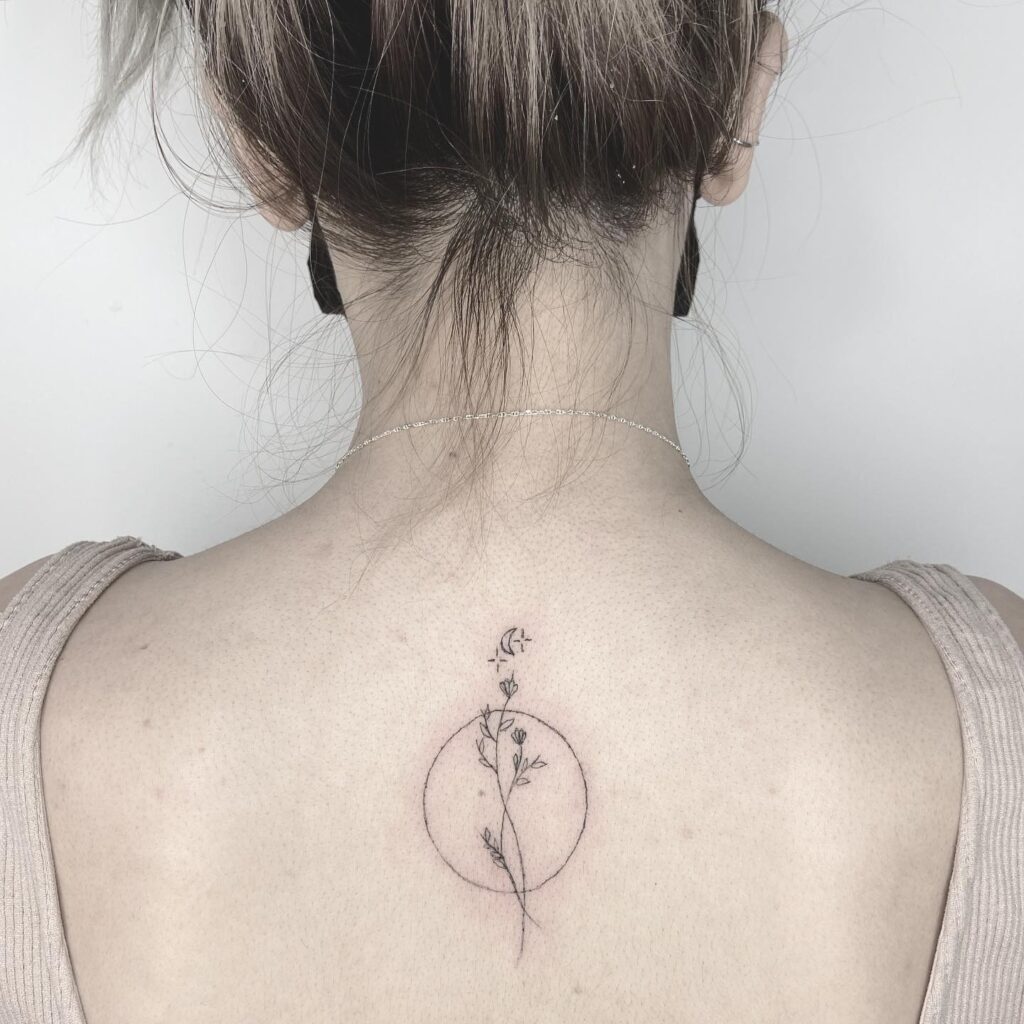
Visual Geometry and Artistry: Single needle line work shapes a curved lunar crescent overflowing with delicate peony and rose petals. Microscopic stippling creates soft greywash gradients along petal contours without harsh outline borders. Tiny four point diamond stars drift outward into bare skin.
Meaning, Placement Nuance, and Longevity: Celestial botanicals reflect feminine intuition, cyclical growth, and inner tranquility. Upper back placement offers a broad, flat surface that keeps lunar curves symmetrical and distortion free. Apply SPF 50 sunscreen to maintain hairline needlework over decades.
2. Fine Line Botanical with Cursive Script
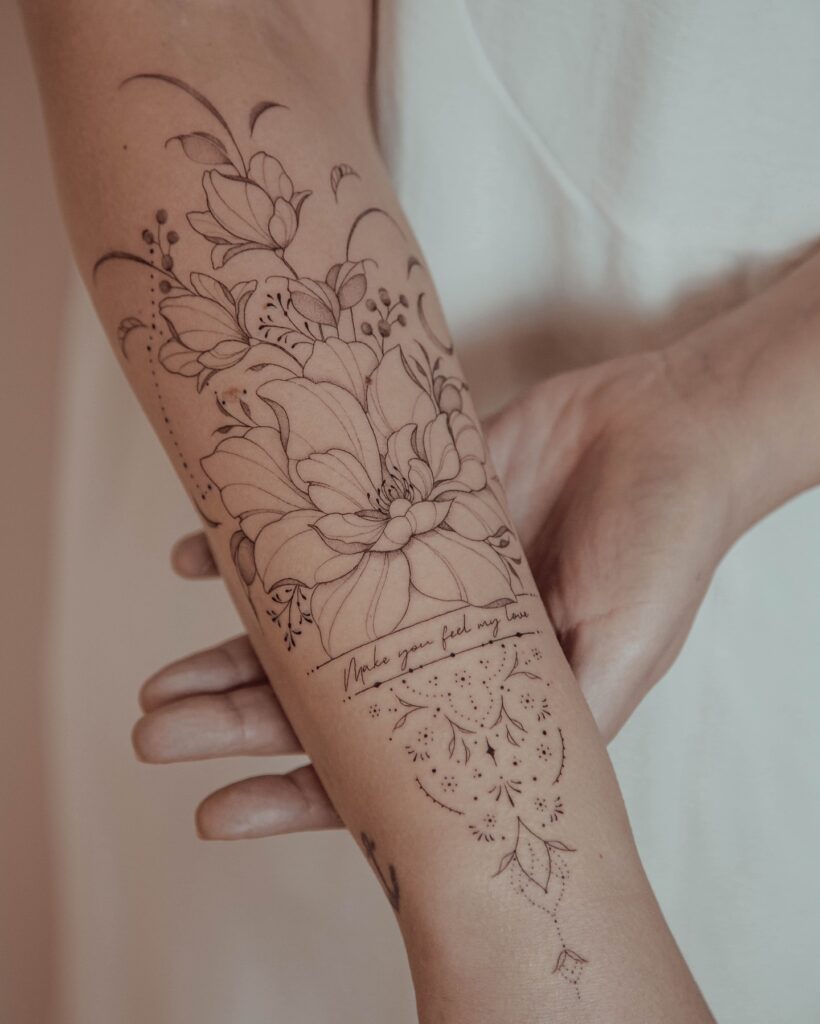
Visual Geometry and Artistry: Elegant cursive lettering connects gracefully into the slender stem of a blooming flower. Crisp character kerning and open loops prevent letters from blurring together as ink naturally settles. Subtle leaf stippling adds organic dimension.
Meaning, Placement Nuance, and Longevity: Combining a beloved quote or name with florals creates an intimate personal affirmation. The inner forearm keeps the message easily readable throughout the day. Avoid tight watchbands during the initial two week healing window.
3. Wildlife Realism and Celestial Constellation
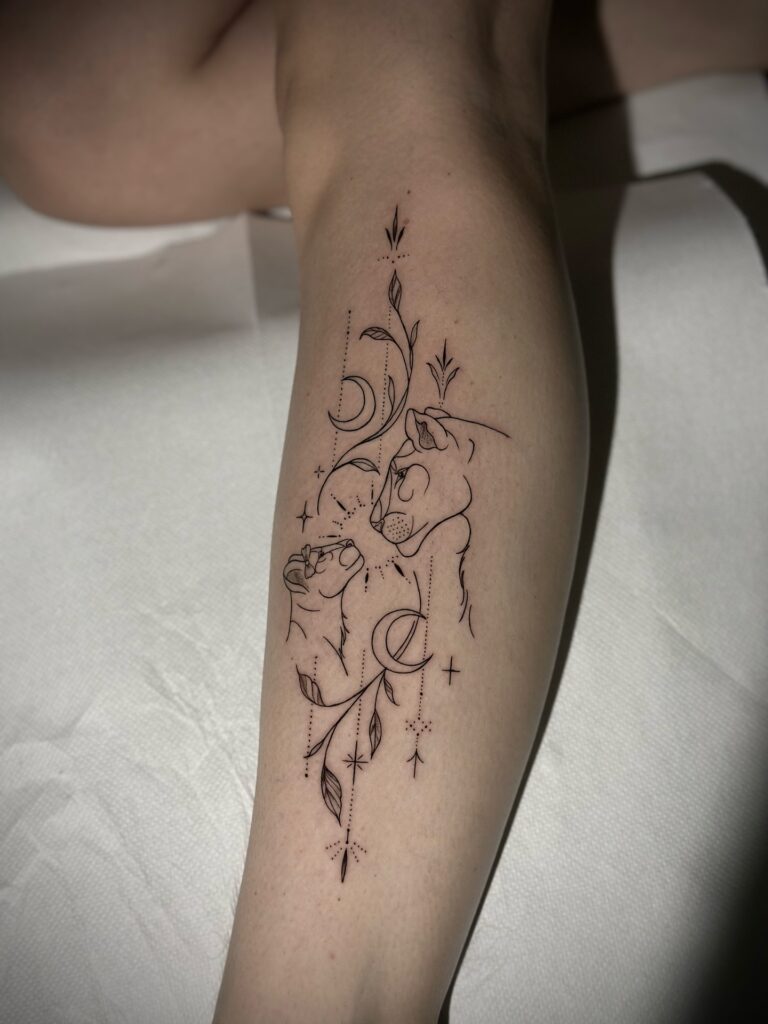
Visual Geometry and Artistry: High contrast greywash shading renders lifelike fur textures across a parent and cub wildlife portrait. Crisp geometric orbital rings and micro dot constellations frame the animals, creating compelling modern contrast between realistic fauna and abstract geometry.
Meaning, Placement Nuance, and Longevity: Wildlife portraits symbolize fierce family loyalty, guidance, and unconditional maternal protection. Forearm or bicep placement accommodates the vertical composition gracefully. Keep skin hydrated with fragrance free moisturizer twice daily.
4. Anatomical Shoulder Cap Floral Wrap
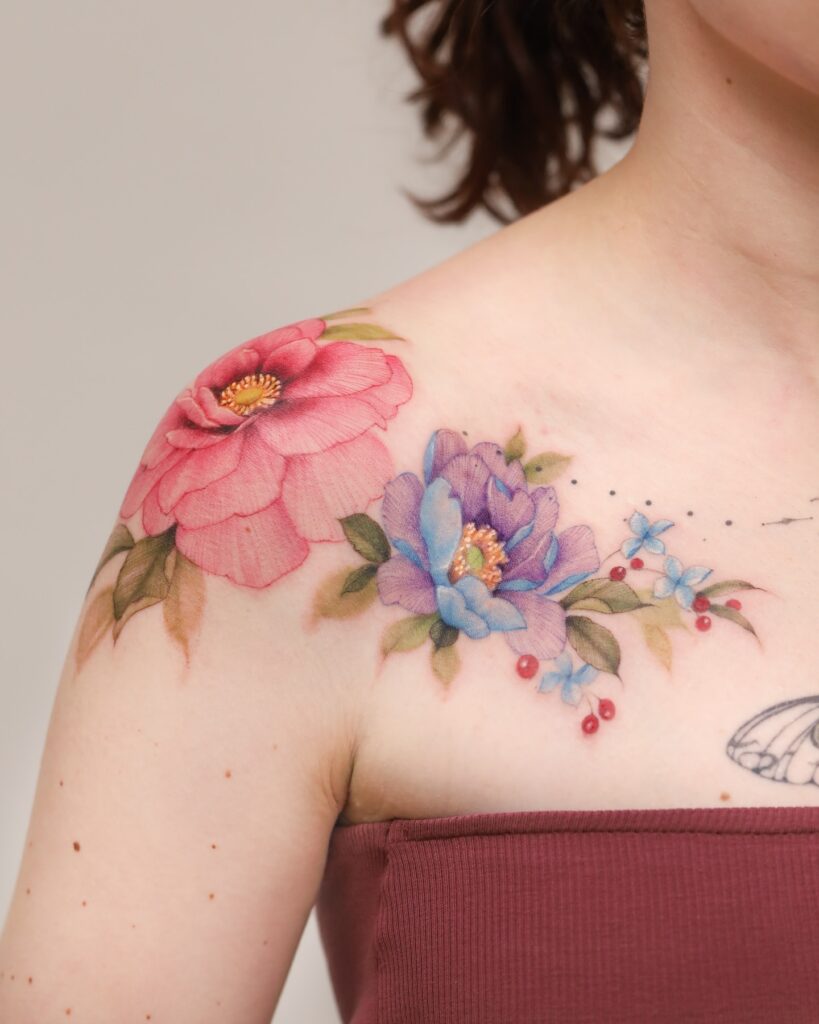
Visual Geometry and Artistry: Curving botanical leaves and floral blossoms wrap organically around the natural spherical curve of the deltoid shoulder cap. Varied line weights create depth, allowing foreground petals to project forward while background leaves recede smoothly.
Meaning, Placement Nuance, and Longevity: Shoulder placements symbolize carrying strength with grace and poise. The rounded shoulder anatomy gives the artwork dynamic movement whenever your arm rotates. Shoulder skin experiences moderate healing friction, so choose loose fitting shirts.
5. Discreet Minimalist Micro Art Behind the Ear
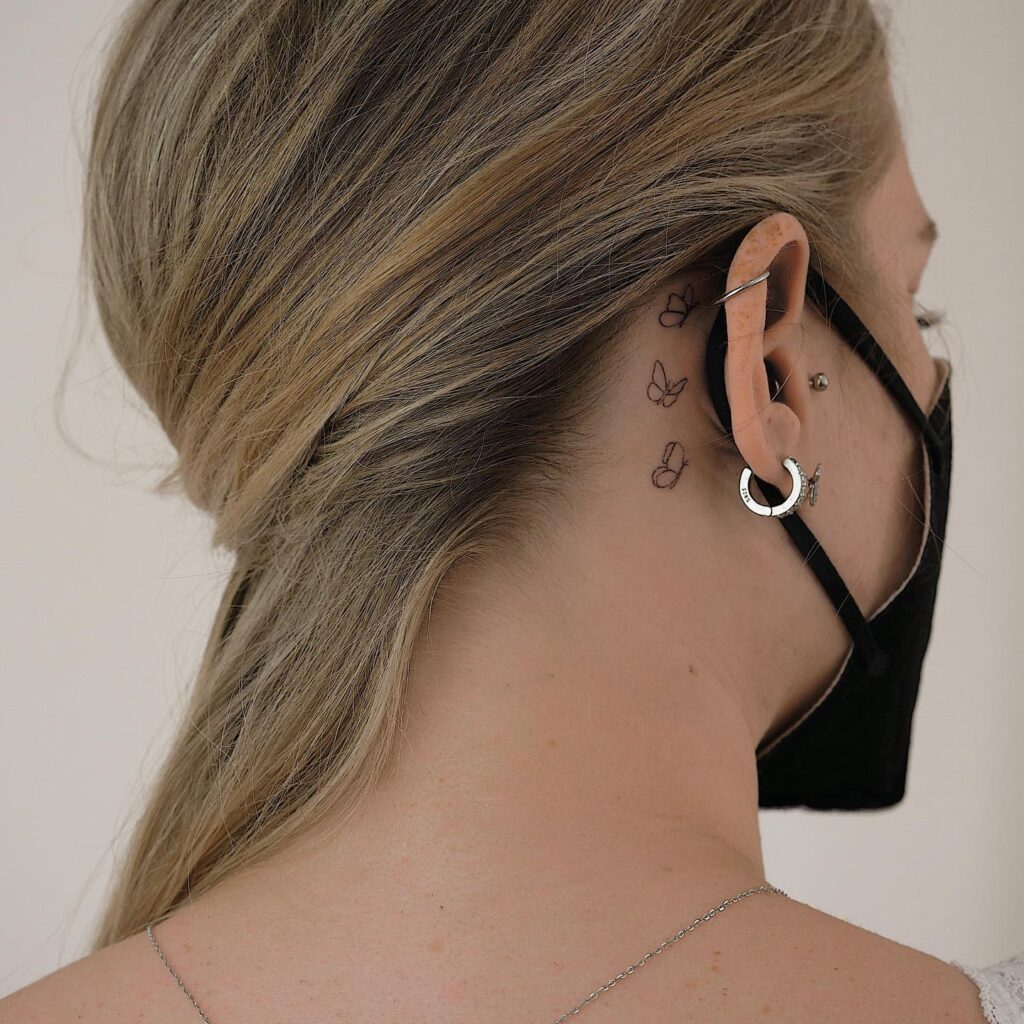
Visual Geometry and Artistry: Measuring under one inch, this micro design relies on absolute economy of line. Single needle contours form a dainty personal symbol tucked neatly into the natural mastoid hollow behind the earlobe. Clean negative space prevents ink pooling.
Meaning, Placement Nuance, and Longevity: Placements behind the ear provide ultimate personal discretion, effortlessly hidden by down hair and revealed only with updos. Mastoid skin is thin over bone, producing noticeable vibration during tattooing that concludes within minutes.
6. Vertical Fine Line Botanical Along the Spine
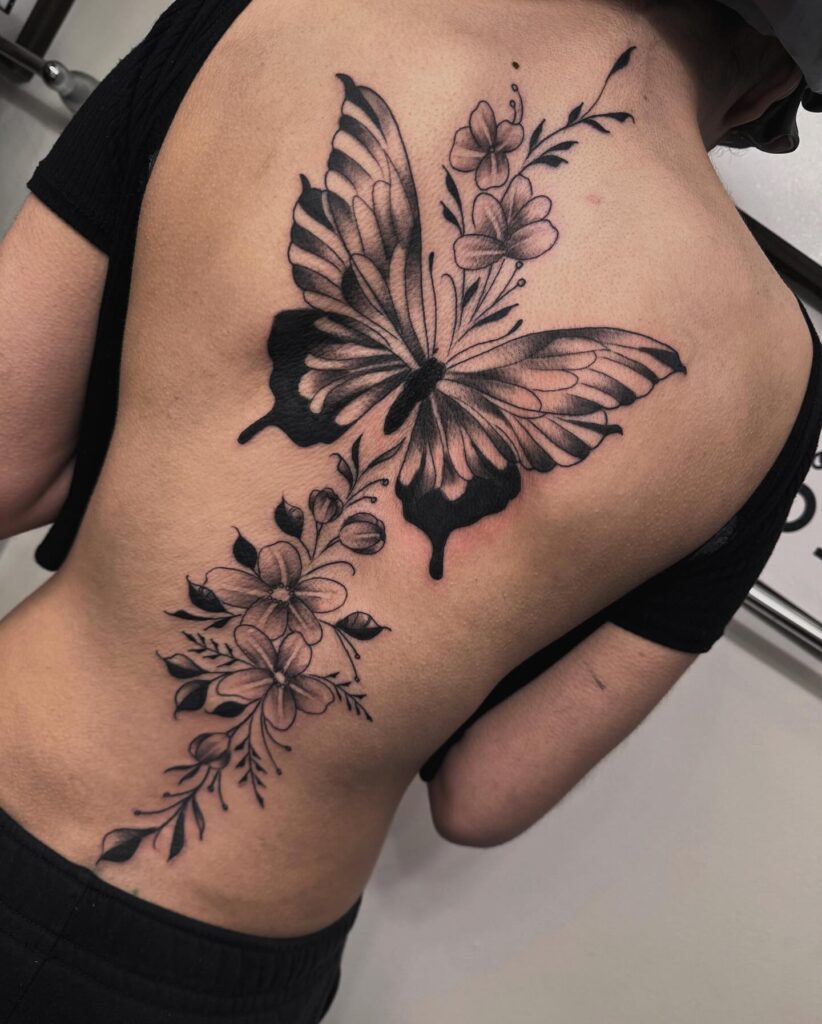
Visual Geometry and Artistry: A long, continuous vertical floral vine follows the anatomical centerline of the spine. Staggered leaves branch outward in calibrated symmetry, mirroring natural vertebrate alignment. Delicate stem width accentuates human posture and elongation.
Meaning, Placement Nuance, and Longevity: Spine tattoos celebrate inner backbone, grounded strength, and spiritual alignment. The skin over spinal vertebrae is exceptionally sensitive, requiring calm breathing during application. Sleep on your side or stomach during the first week of recovery.
7. Symmetrical Ankle Bone Botanical Talisman
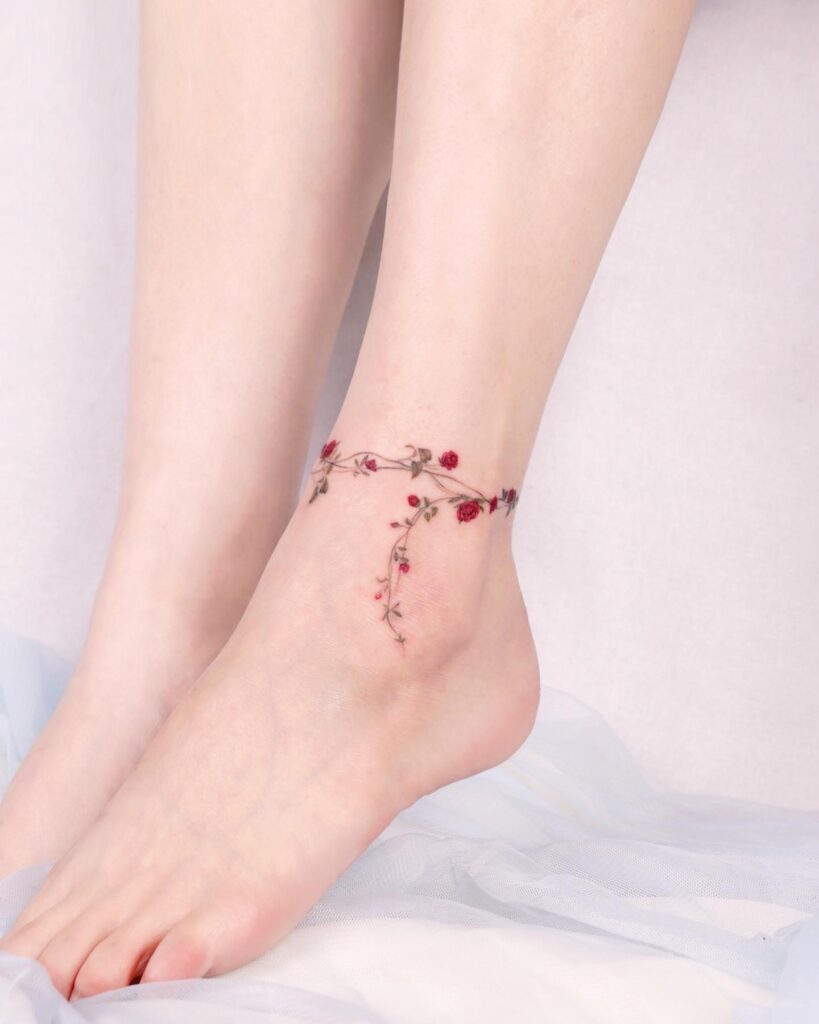
Visual Geometry and Artistry: Delicate leafy sprigs curve gently above the lateral ankle malleolus bone. Precise needle taper prevents the fine line tips from blowing out in thin lower leg skin. Crisp negative space keeps the foliage light and weightless.
Meaning, Placement Nuance, and Longevity: Ankle tattoos reflect wanderlust, grounded travel, and carefree summer style. Lower extremities experience increased blood pooling when standing, so elevating the foot during the first forty eight hours accelerates initial recovery.
8. Continuous Single Line Figurative Art
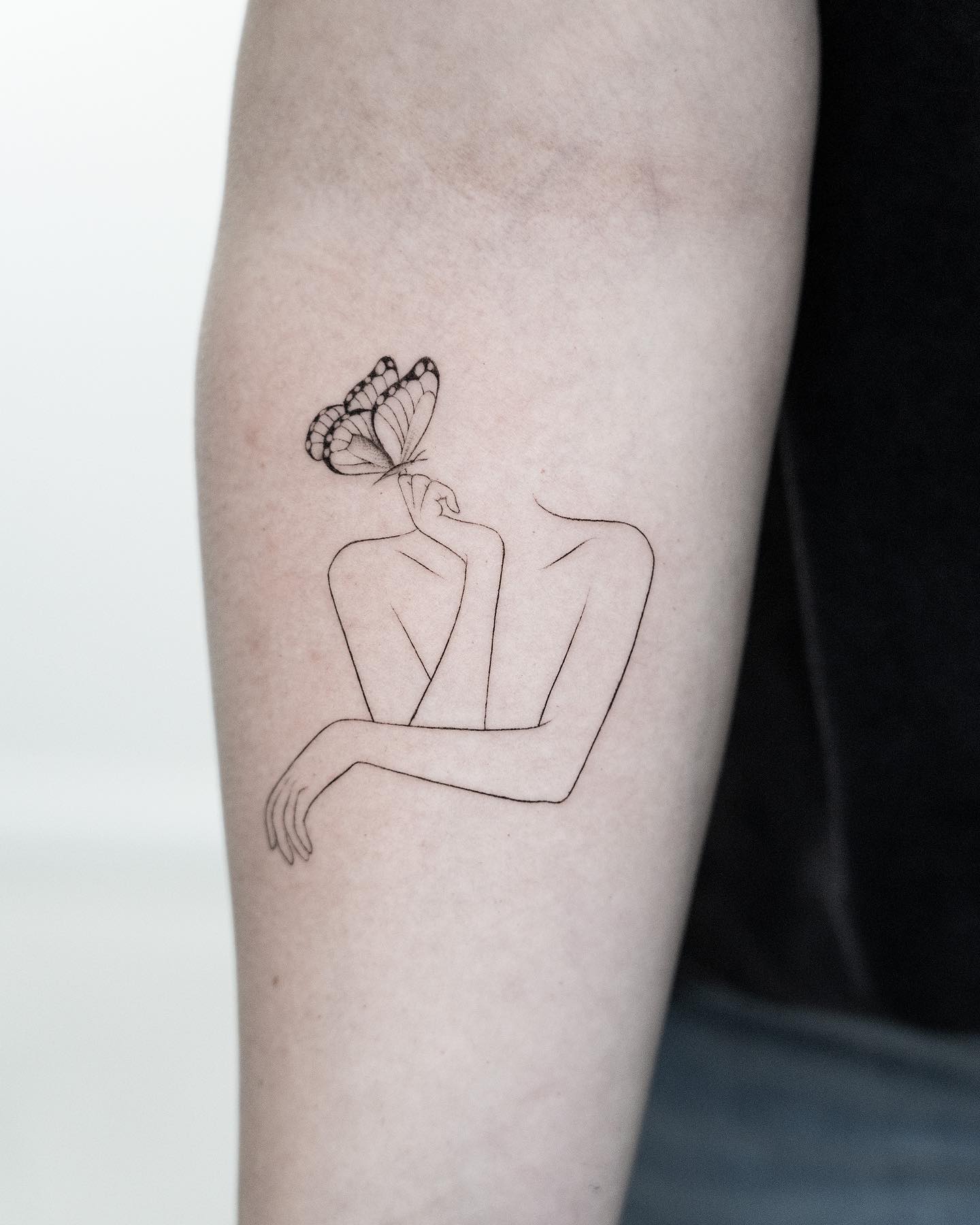
Visual Geometry and Artistry: A single unbroken fluid stroke outlines human facial contours and a resting butterfly wing. The uninterrupted needle stroke demands masterful hand speed and steady voltage control. Unshaded negative space gives the piece an ethereal modern gallery aesthetic.
Meaning, Placement Nuance, and Longevity: Continuous line art conveys the idea of unity, emotional flow, and unbroken personal evolution. Outer bicep placement ensures the artwork remains stable and flat without distortion. Wash gently with mild soap and pat dry.
9. Delicate Inner Wrist Talisman
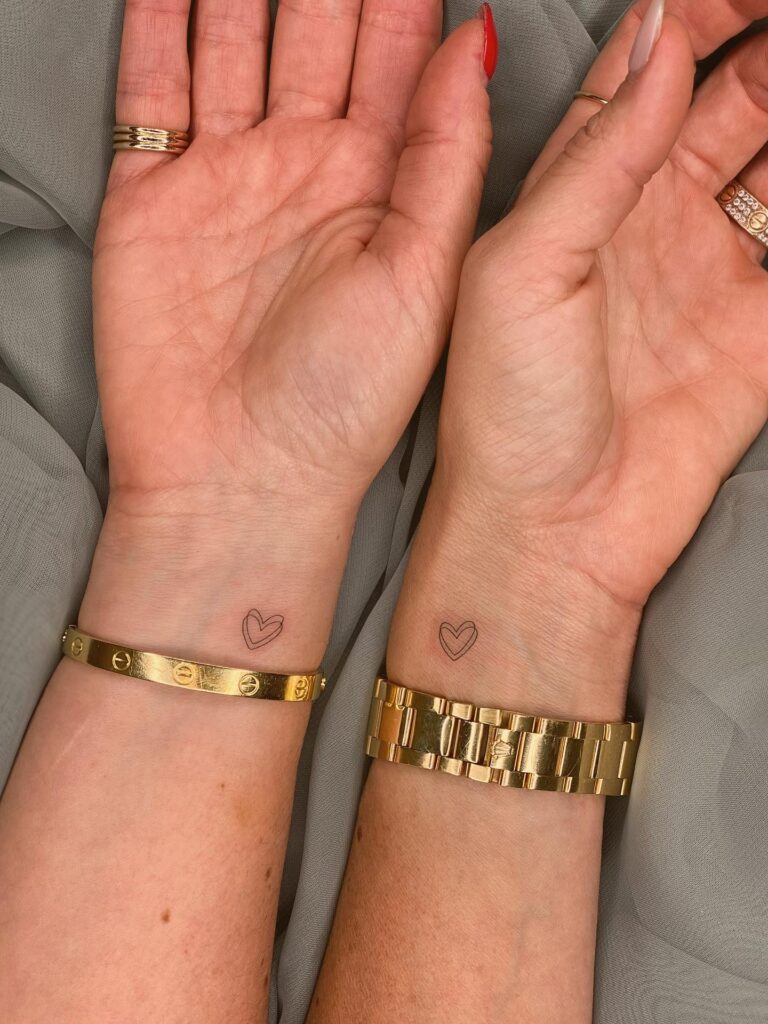
Visual Geometry and Artistry: Positioned along the flat inner wrist tendons, hairline contours define an understated personal motif. The artist positions the stencil away from the primary wrist flexion crease to ensure lines remain sharp without spreading into fold lines.
Meaning, Placement Nuance, and Longevity: Inner wrist tattoos serve as private daily mantras and grounding anchors during moments of reflection. Daily application of SPF 50 sunscreen protects this frequently exposed spot from solar aging.
10. Delicate Botanical Below the Collarbone
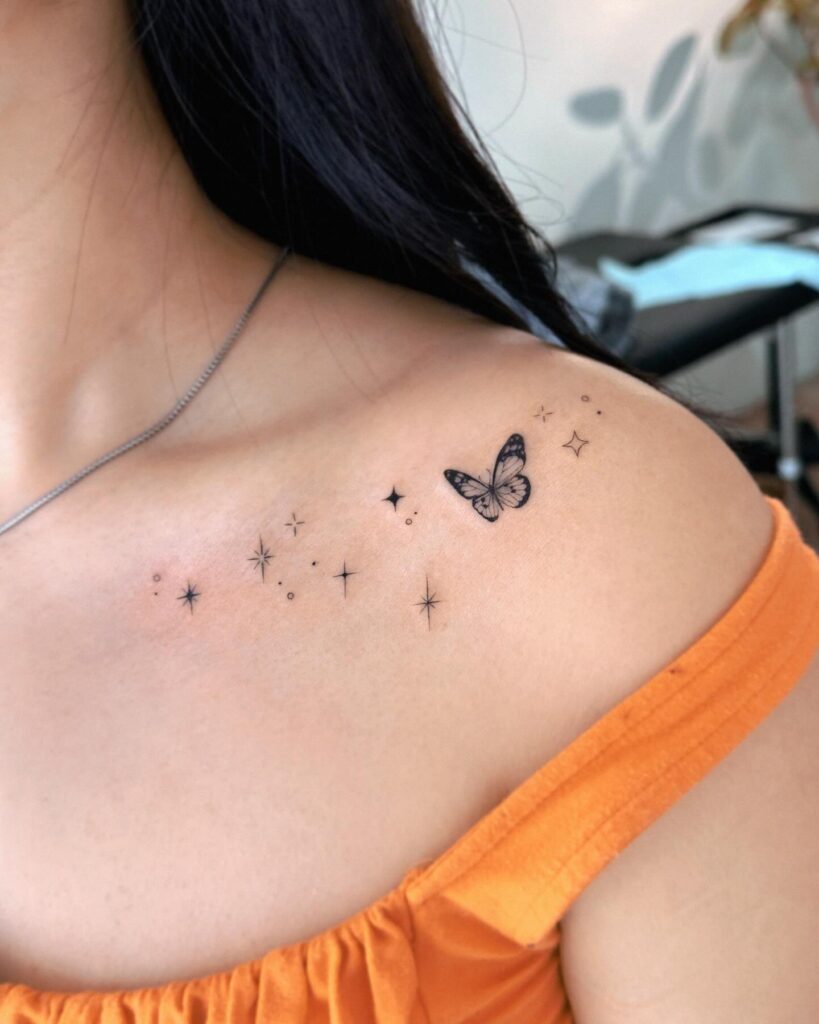
Visual Geometry and Artistry: A whisper light horizontal botanical stem runs parallel just below the clavicle ridge. Hairline leaf veins and tiny floral buds mimic delicate botanical sketches found in vintage field journals. Balanced horizontal spacing flatters neckline contours.
Meaning, Placement Nuance, and Longevity: Subclavicular placement highlights quiet vulnerability, grace, and understated elegance. The proximity to the collarbone produces mild vibration, but session duration is short. Keep bag straps from pressing directly over the area while healing.
11. Sacred Geometric Mandala Wave
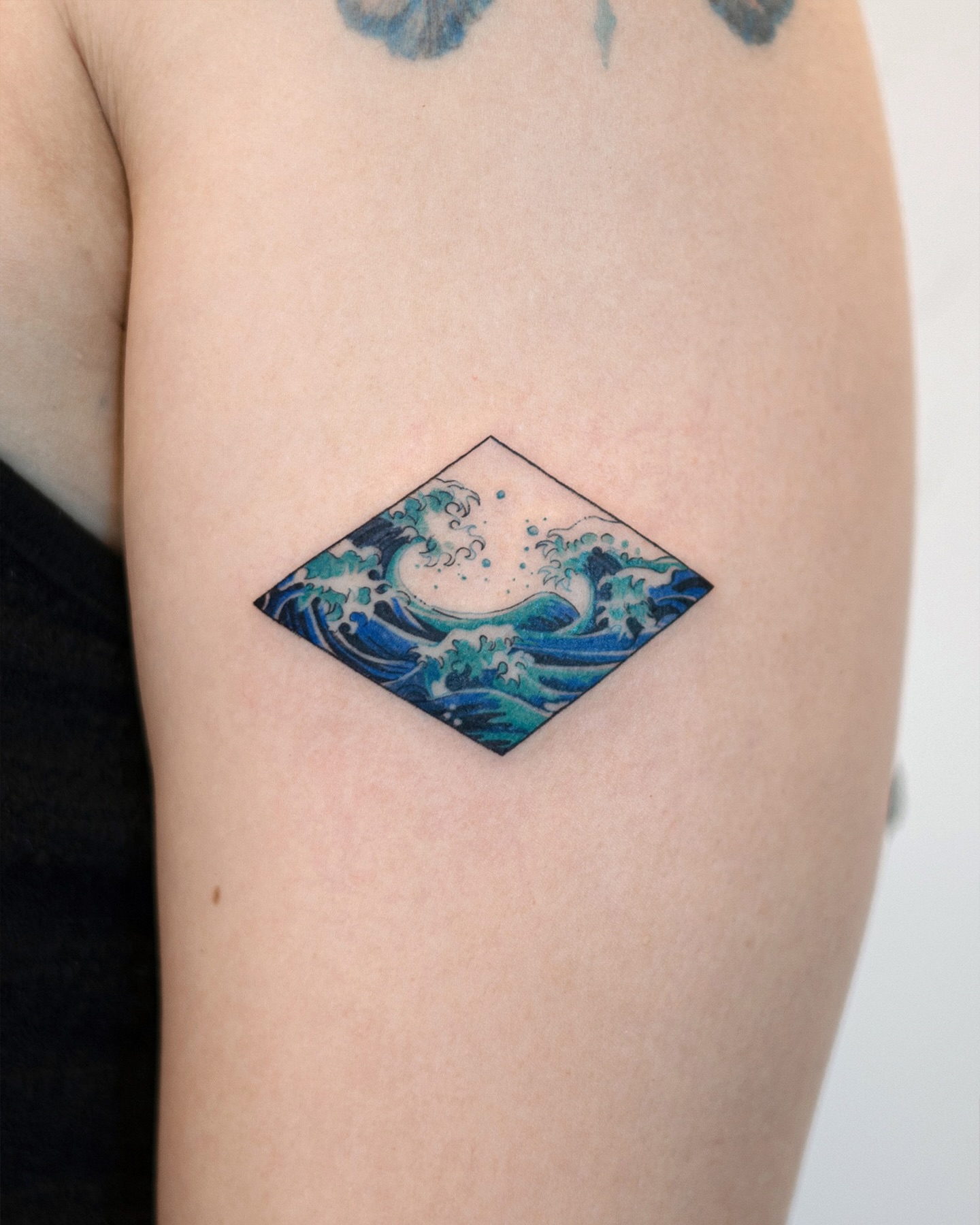
Visual Geometry and Artistry: Concentric circular arcs frame a geometric wave composed of mathematically calculated tessellations. Sharp contrast between dense black fills and pristine negative space creates dynamic modern symmetry.
Meaning, Placement Nuance, and Longevity: Geometric wave tattoos reflect emotional control, balance amidst turmoil, and respect for natural cycles. Forearm placement keeps the circular geometry flat and undistorted.
12. Luminous Watercolor Splash Technique
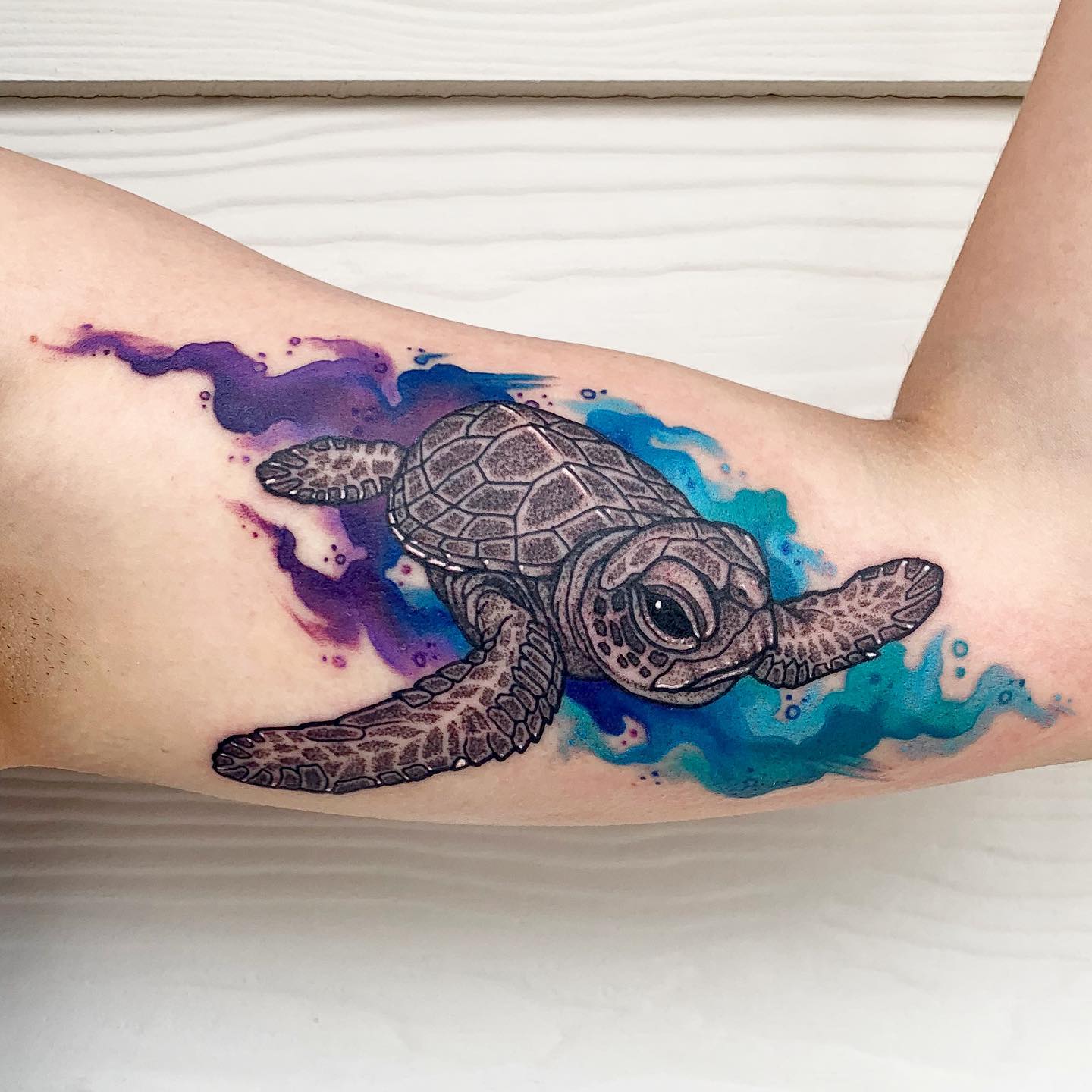
Visual Geometry and Artistry: Spontaneous splashes of teal and cobalt bleed softly past a clean black ink sketch outline. Subtle water drips create the convincing illusion of liquid pigments diffusing through wet paper.
Meaning, Placement Nuance, and Longevity: Watercolor tattoos appeal to collectors who celebrate artistic freedom, spontaneity, and painterly expression. The inner arm protects delicate pastel gradients from ultraviolet degradation.
13. Minimalist Mountain Mirror Reflection
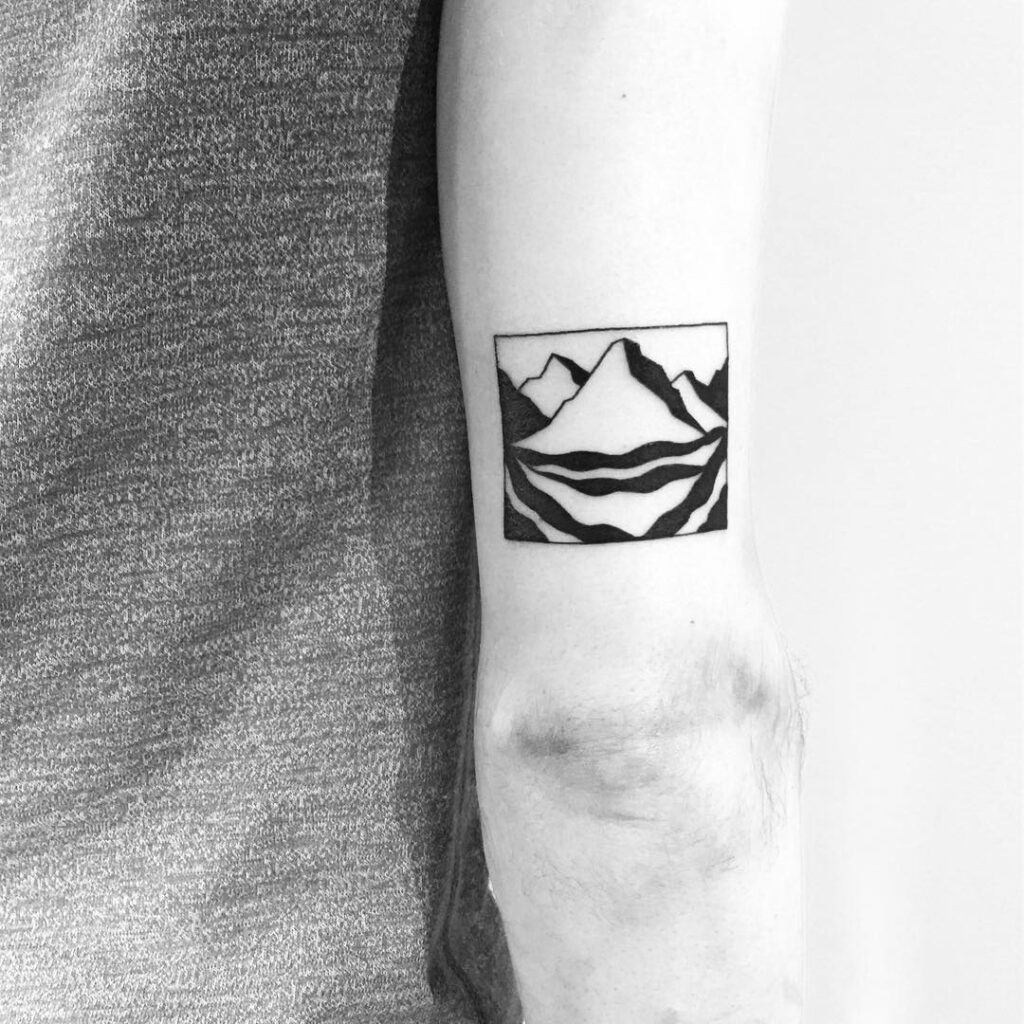
Visual Geometry and Artistry: Symmetrical angular peaks reflect downward into calm water ripples, forming an architectural diamond silhouette. Crisp stipple shading textures the northern rock faces.
Meaning, Placement Nuance, and Longevity: Mirrored mountains symbolize mental clarity, self reflection, and grounded balance. The inner forearm provides an elongated rectangular plane that keeps the horizon line level.
14. Authentic Child Handwriting Script
Visual Geometry and Artistry: Single needle work reproduces the exact pencil pressure, charming tremors, and unique letter loops of a child handwritten note. Every authentic pencil texture is preserved.
Meaning, Placement Nuance, and Longevity: Immortalizing handwritten notes captures an irreplaceable snapshot of childhood warmth. Placed on the inner wrist or ribs, the personal talisman provides daily emotional comfort.
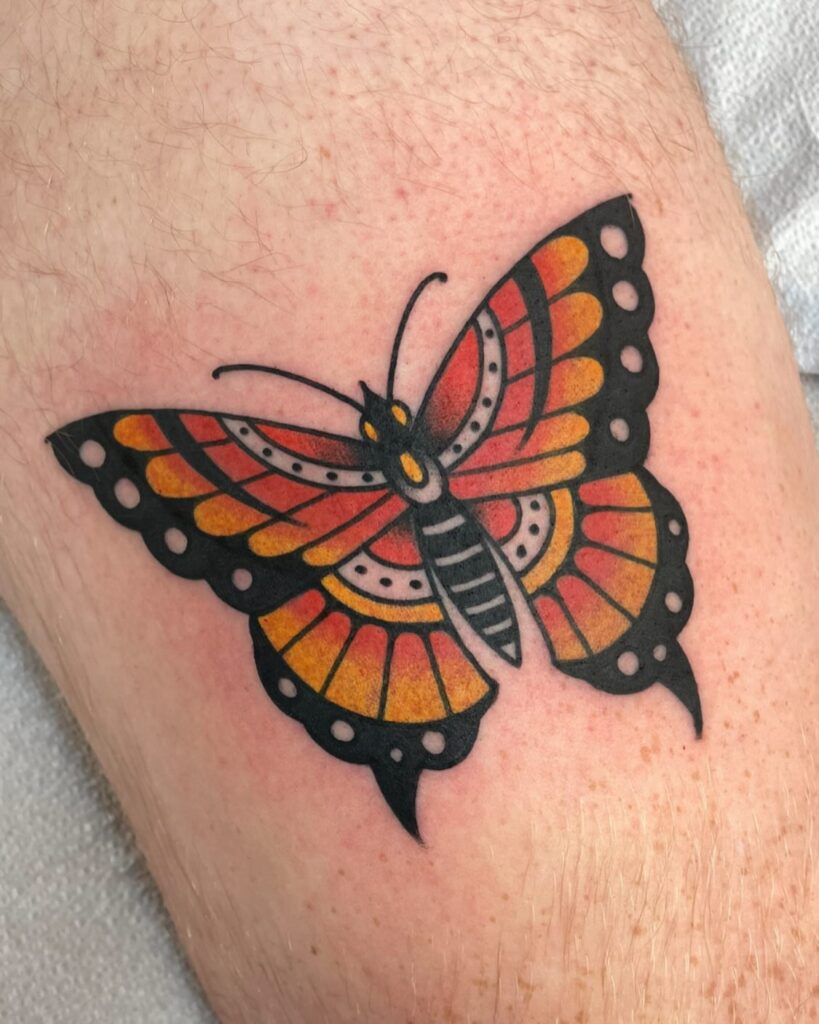
15. Bold American Traditional Line Work
Visual Geometry and Artistry: Thick bold black borders, saturated yellow and red pigments, and iconic simplified contours define this old school piece. Heavy needle groupings guarantee decades of structural clarity.
Meaning, Placement Nuance, and Longevity: Traditional tattoos embody classic timeless toughness and enduring vintage nostalgia. Outer arm or calf placement holds up exceptionally well to sun and age.
16. Symmetrical Starburst on Inner Wrist
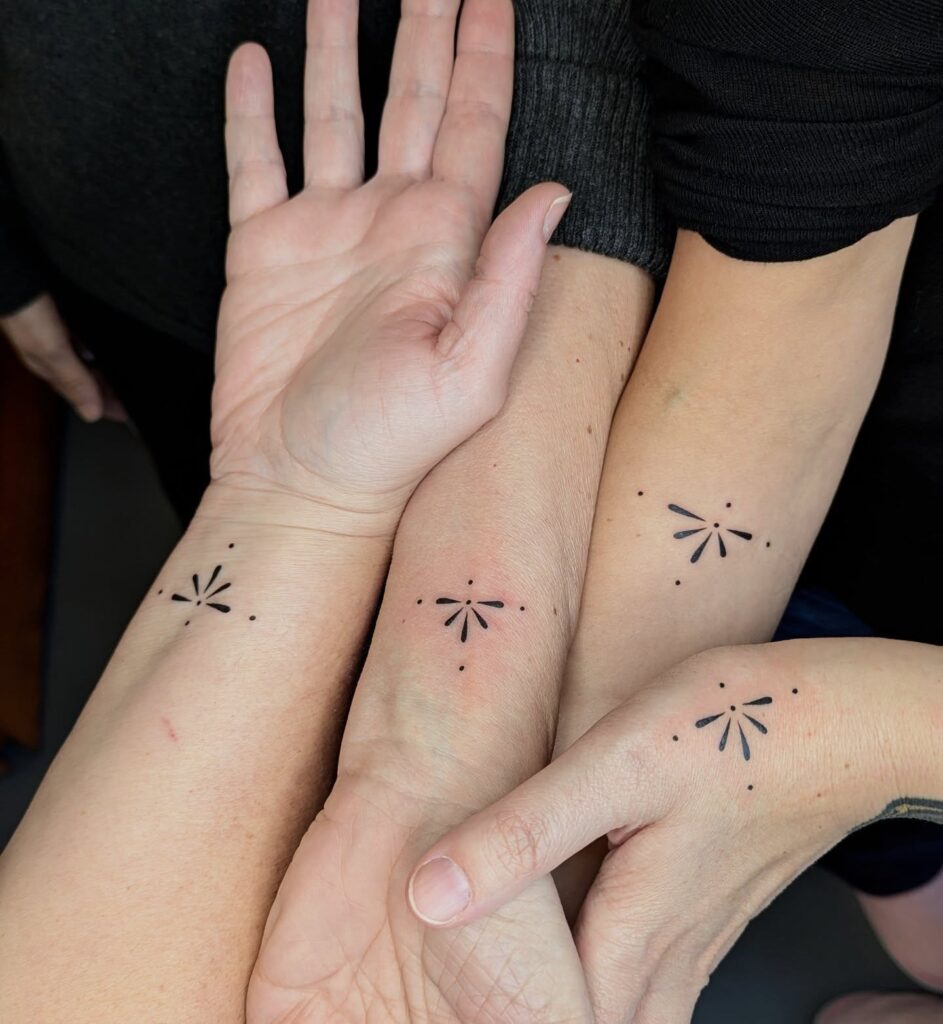
Visual Geometry and Artistry: Four point radial beams emit from a central negative space core in crisp geometric symmetry. Micro hairline points finish each ray tip with single needle delicacy.
Meaning, Placement Nuance, and Longevity: Starbursts symbolize guiding optimism, divine hope, and inner light. Wrist placement provides quick visibility and comfortable healing conditions away from waist friction.
17. Understated Nape of Neck Silhouette
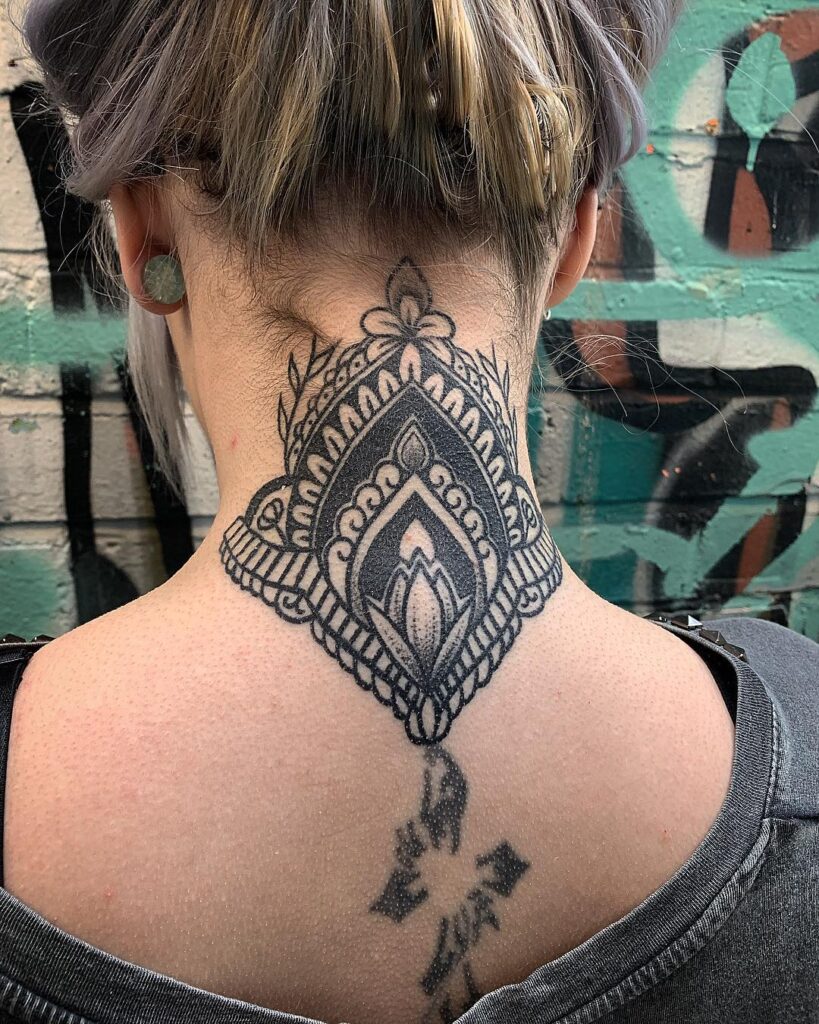
Visual Geometry and Artistry: Positioned along the upper cervical hairline, an understated fine line motif sits centered on the spine. Soft stippling provides gentle contrast without heavy dark blocks.
Meaning, Placement Nuance, and Longevity: Nape placement offers wonderful versatility, hidden under hair or revealed in elegant updos. Avoid tight collared shirts during the first week of recovery.
18. Lower Leg Calf Illustrative Panel
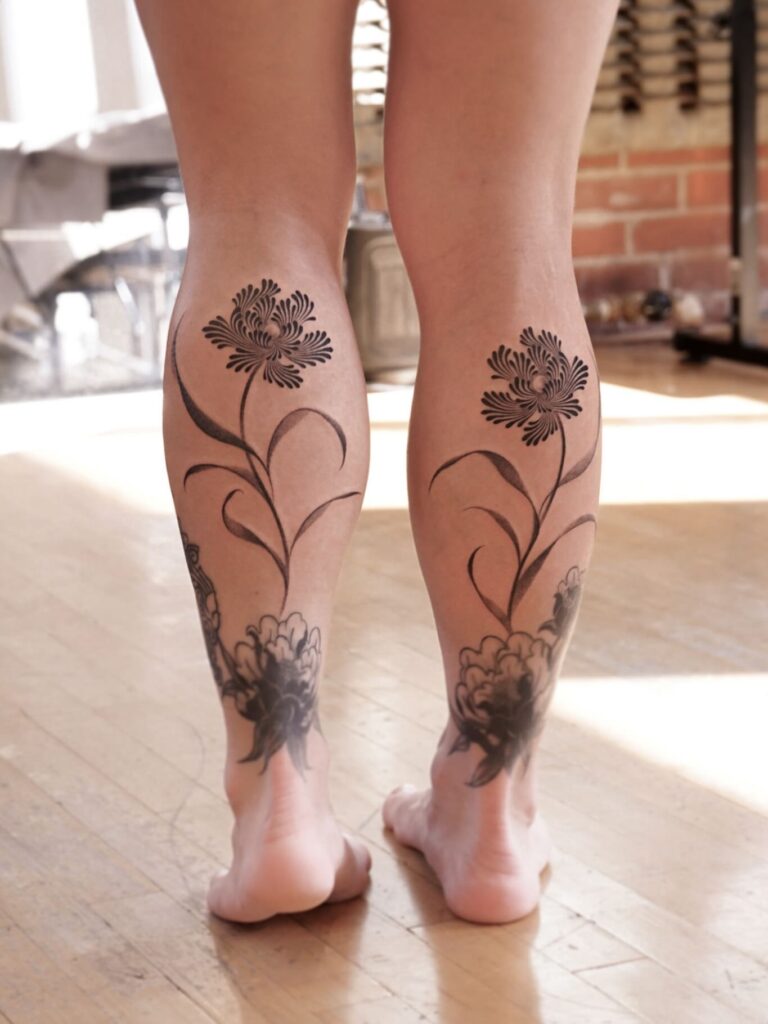
Visual Geometry and Artistry: A vertical illustrative panel incorporates botanicals, geometric framing, and soft greywash shading across the muscular belly of the gastrocnemius calf muscle.
Meaning, Placement Nuance, and Longevity: Calf placements offer thick muscle cushioning and low nerve sensitivity, making them ideal for detailed multi hour sessions. Elevate the leg after your appointment to minimize swelling.
19. Minimalist Knuckle and Finger Linework
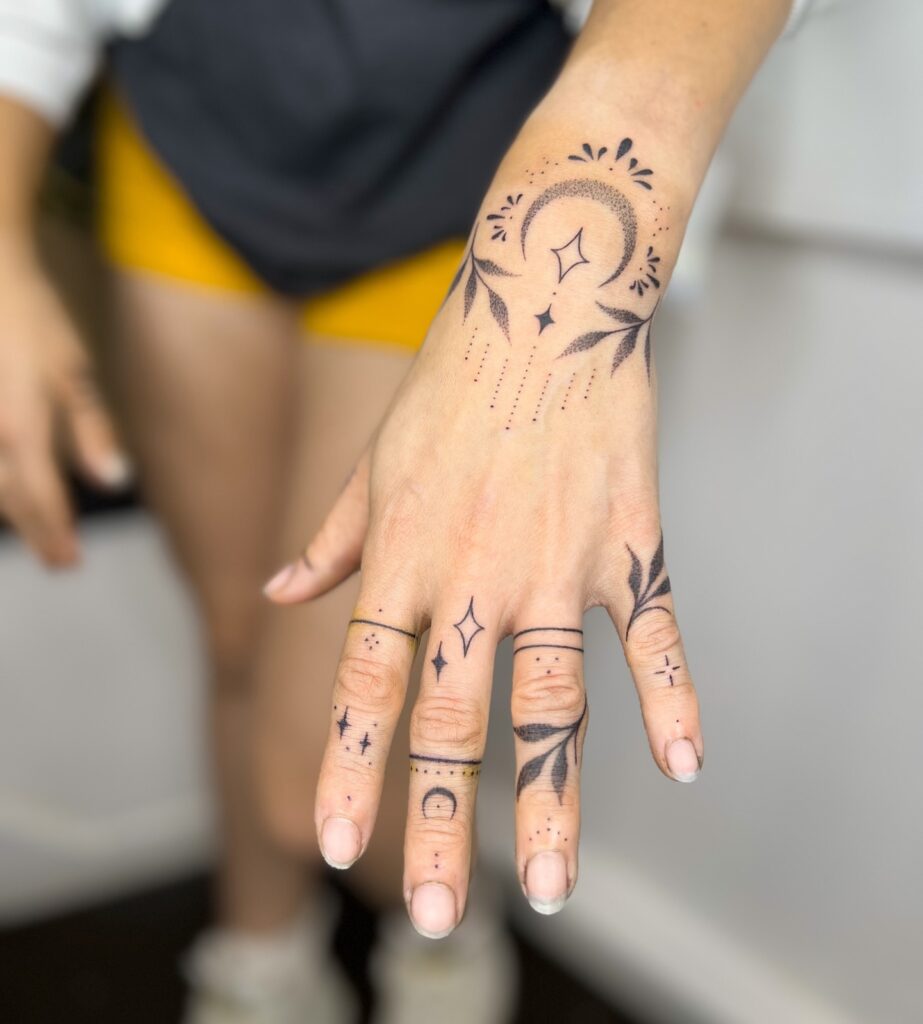
Visual Geometry and Artistry: Ultra compact single needle symbols decorate the sides of the phalanges. Deliberate spacing prevents ink spreading into natural knuckle flexion folds.
Meaning, Placement Nuance, and Longevity: Finger tattoos provide subtle everyday jewelry aesthetics. Fingers experience high friction and skin turnover, so occasional fine line touchups help maintain crispness.
20. Expansive Shoulder Blade Botanical Canvas
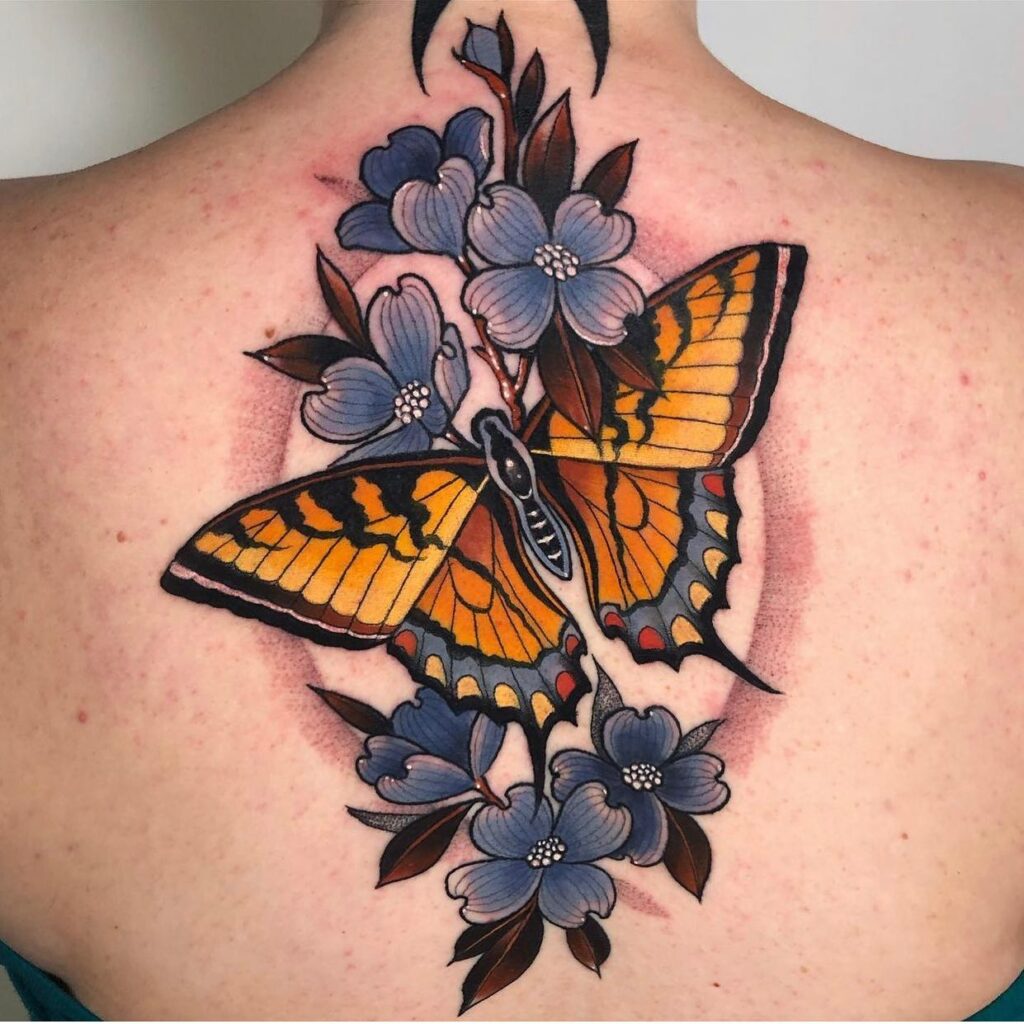
Visual Geometry and Artistry: A broad botanical bouquet sweeps across the scapula, utilizing rich contrast between dark leafy foliage and delicate open flower petals.
Meaning, Placement Nuance, and Longevity: The shoulder blade provides a broad, flat anatomical surface that permits ambitious sizing without perspective distortion. Wear loose cotton clothing during the peeling phase.
Step 1: Define Your Personal Core Meaning or Aesthetic Intent
Start by asking yourself why you want this tattoo. Some collectors seek designs that commemorate significant life milestones, departed family members, or personal triumphs, while others prioritize visual beauty and artistic craftsmanship without needing a complex backstory.
Both approaches are completely valid in the tattoo community. A piece chosen purely for its artistic elegance holds just as much worth as one rooted in deep personal history.
Write down a few keywords that capture the feeling you want the tattoo to convey. Words like grounded, resilient, delicate, or fearless can guide your visual brainstorming and help narrow down your aesthetic direction.
Step 2: Explore Distinct Tattoo Styles and Visual Dialects
- Every tattoo style carries its own unique visual grammar, linework rules, and aesthetic energy. Familiarize yourself with the primary contemporary movements before picking an artist:
- Fine Line and Single Needle: Relies on ultra thin pencil like linework, delicate stippling, and understated elegance. Ideal for minimalist botanicals, micro portraits, and subtle script.
- Traditional and American Old School: Characterized by bold black outlines, a saturated primary color palette, and iconic motifs like daggers, swallows, and roses. Legendary for aging durability.
- Black and Grey Realism: Focuses on continuous tone, photographic accuracy, and smooth greywash shading. Perfect for wildlife studies, family portraits, and classical statues.
- Illustrative and Neo Traditional: Combines the bold outlines of classic ink with modern color palettes, varied line weights, and ornamental art nouveau filigree.
- Geometric and Dotwork: Uses sacred geometry, mandala patterns, and calculated symmetry to create modern, hypnotic visual balance across the skin.
Step 3: Match Your Concept with Natural Body Anatomy
A design that looks stunning on a flat piece of paper may lose its impact if placed across a twisting joint or uneven bone. Take time to study how human musculature moves in the mirror.
Vertical compositions like long stem flowers, script phrases, or daggers flow effortlessly along the forearm, spine, or calf. Circular mandalas and wildlife portraits settle naturally over rounded muscle caps like the deltoid shoulder or knee.
Think also about professional visibility. If your workplace requires discretion, placements like the upper back, inner bicep, or behind the ear allow you to conceal your artwork beneath everyday clothing effortlessly.
Step 4: Create a Dedicated Mood Board (Without Copying Other Tattoos)
Gathering visual inspiration on platforms like Pinterest and Instagram is a fantastic way to identify the color palettes, textures, and scales you naturally gravitate toward. Save ten to twenty images into a private folder.
However, never ask a tattoo artist to directly copy another custom tattoo. Replicating another person custom ink disrespects the original artist and deprives you of owning a unique, original piece of art.
Instead, present your mood board to your artist as reference inspiration. Point out specific elements you admire, such as the delicate shading on one photo or the botanical accuracy on another, allowing the artist to synthesize an original design just for you.
Step 5: Master the Art of Artist Research and Vetting
Finding the right artist is the single most important factor determining the quality of your finished tattoo. Never choose a tattooer based solely on convenience or low pricing.
Look for a specialist who works primarily in the exact style you desire. An artist renowned for bold traditional blackwork may not have the delicate hand or equipment required for single needle micro realism.
Carefully inspect the artist healed portfolio on social media. While fresh tattoos always look glossy and dark, healed photos reveal an artist true technical skill regarding clean lines, even pigment retention, and lack of dermal scarring.
Step 6: Test Placement with Temporary Markers or Sizing Prints
- Before committing to needle and ink, test the design scale and location in real life:
- Paper Printouts: Print your reference design in two or three sizes, cut them out, and tape them to your body to evaluate proportions.
- Temporary Eyebrow Pencil: Sketch basic shapes or lettering directly onto your skin with a soft cosmetic pencil to see how the placement feels during daily activities.
- Mirror Check: Walk around, sit, and stretch while observing how your skin moves and twists. Ensure you enjoy how the design interacts with your natural silhouette.
Step 7: The Thirty Day Reflection Rule
Once you have settled on a specific concept, save the reference artwork as your phone lock screen or tape it to your bathroom mirror for thirty days.
If you still feel enthusiastic, inspired, and excited about the design after seeing it every day for a full month, you can move forward with confidence. If you find yourself growing tired of it or questioning specific elements, take that as a clear signal to rethink the concept.
Step 8: Prepare Your Body for Studio Day
- Proper physical preparation ensures a comfortable session and optimal ink acceptance:
- Hydrate Heavily: Drink ample water in the forty eight hours leading up to your session; well hydrated skin takes ink smoothly and heals with less trauma.
- Eat a Substantial Meal: Consume complex carbohydrates and protein an hour before your appointment to keep blood sugar stable and prevent lightheadedness.
- Dress for Placement: Wear loose, comfortable clothing that gives the artist easy access to the tattoo site without constricting circulation.
Frequently Asked Questions
How do I know if a tattoo design will age well?
Tattoos age well when they feature bold contrasting lines, sufficient negative space between details, and adequate physical sizing. Overly tiny, hyper detailed micro tattoos can blur together into muddy shapes over ten to fifteen years as the dermis naturally expands.
Should I get a color tattoo or black and grey?
Black and grey tattoos generally hold up longer with less maintenance and complement all wardrobe styles effortlessly. Color tattoos provide lively artistic expression but require diligent daily sunscreen protection to prevent warm red, yellow, and pastel pigments from fading under ultraviolet exposure.
Can I ask a tattoo artist to redesign a stencil if I do not like it?
Yes, absolutely. Never hesitate to speak up during the stencil placement process. Professional artists expect clients to request adjustments in size, angle, or placement until it feels completely right.
How much should I tip my tattoo artist?
Standard tipping etiquette in reputable tattoo studios ranges from fifteen to twenty percent of the total service cost, reflecting appreciation for custom design work, sterile preparation, and artistic care.
For verified clinical skin care guidelines during tattoo recovery, reference the American Academy of Dermatology tattoo recovery recommendations.