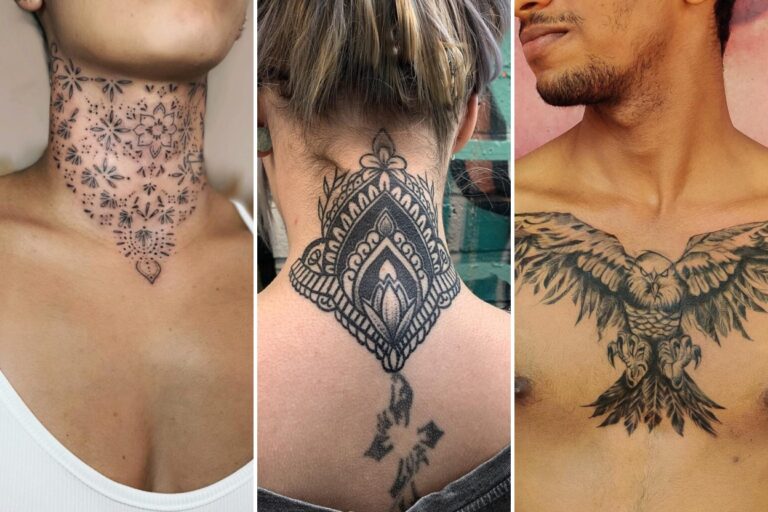
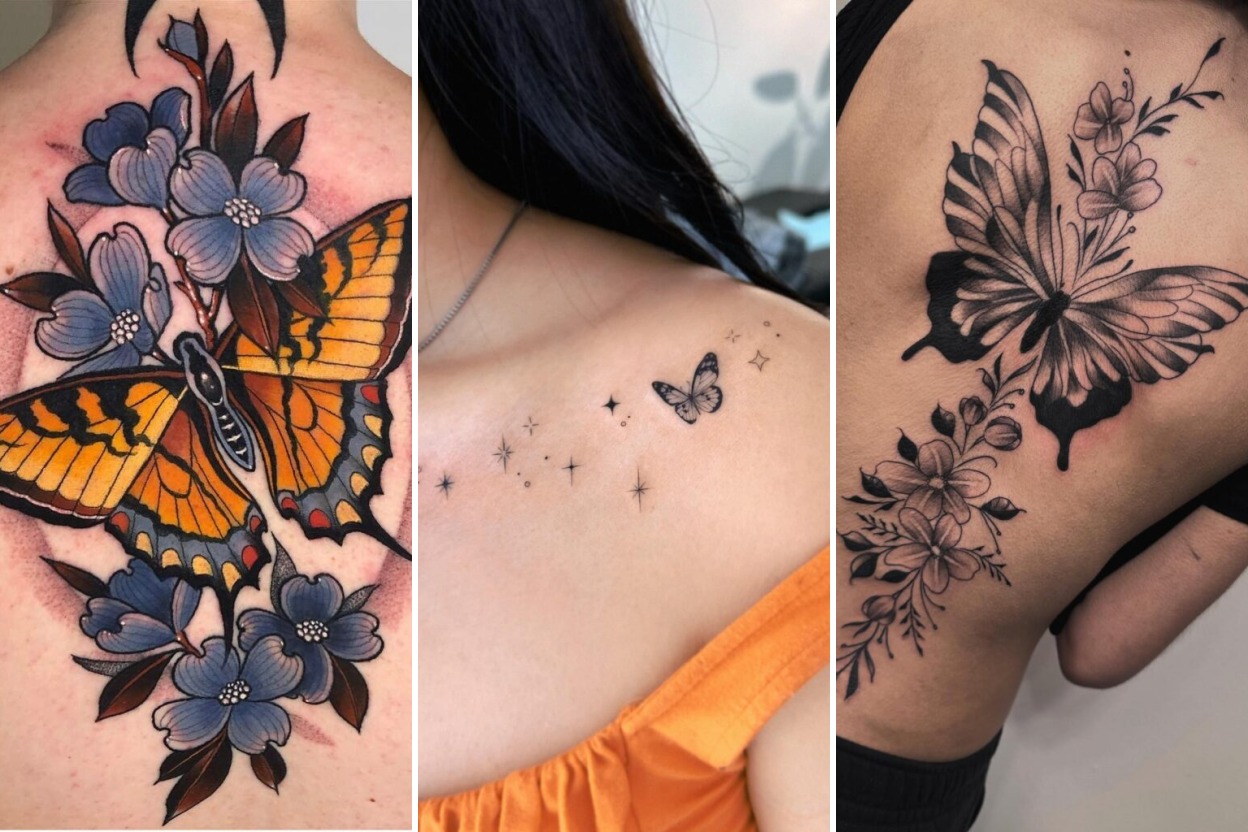
The Most Painful Tattoo Spots Honestly Ranked So You Know What to Expect
Ask five seasoned tattoo collectors which spot hurt the most, and you will likely get five different answers. Pain is fundamentally subjective, shaped by individual biology, hydration, sleep quality, and personal pain tolerance.
However, human anatomy follows universal biological rules. Areas where bones sit directly beneath thin skin, or where dense clusters of sensory nerve endings congregate, predictably cause sharper, more intense sensations under the tattoo needle.
Whether you are preparing for your very first piece or plotting an ambitious full back project, this 2026 ranking breaks down anatomical pain triggers, client stamina realities, and practical coping techniques across 20 distinct anatomical placements.
If you are exploring meaningful body art placements, browse our guides on delicate tattoo styles and spiritual and symbolic tattoos.
20+ Most Painful Tattoo Spots Ranked by Real Pain Levels in 2026 Lookbook
1. The Rib Cage and Intercostal Spaces
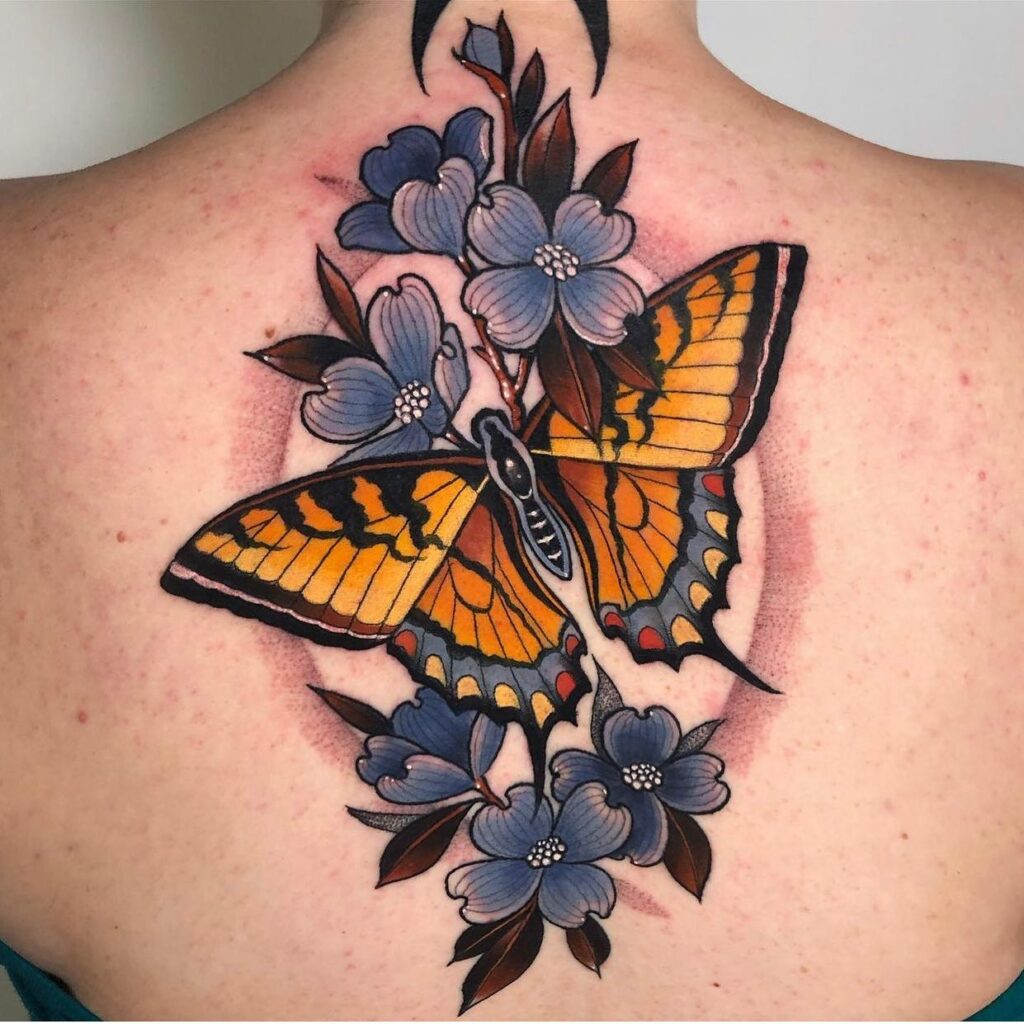
Visual Geometry and Artistry: The rib cage features ultra thin skin pulled taut across rounded bone, with intercostal nerves running directly between each rib. Because your chest must expand and contract with every breath, the skin is in continuous motion during needle passes.
Meaning, Placement Nuance, and Longevity: Sensations are described as a sharp, burning scratch accompanied by intense internal vibrations. Most collectors max out their pain stamina around two to three hours on the ribs, making multi session pacing advisable for large compositions.
2. The Sternum and Center Chest
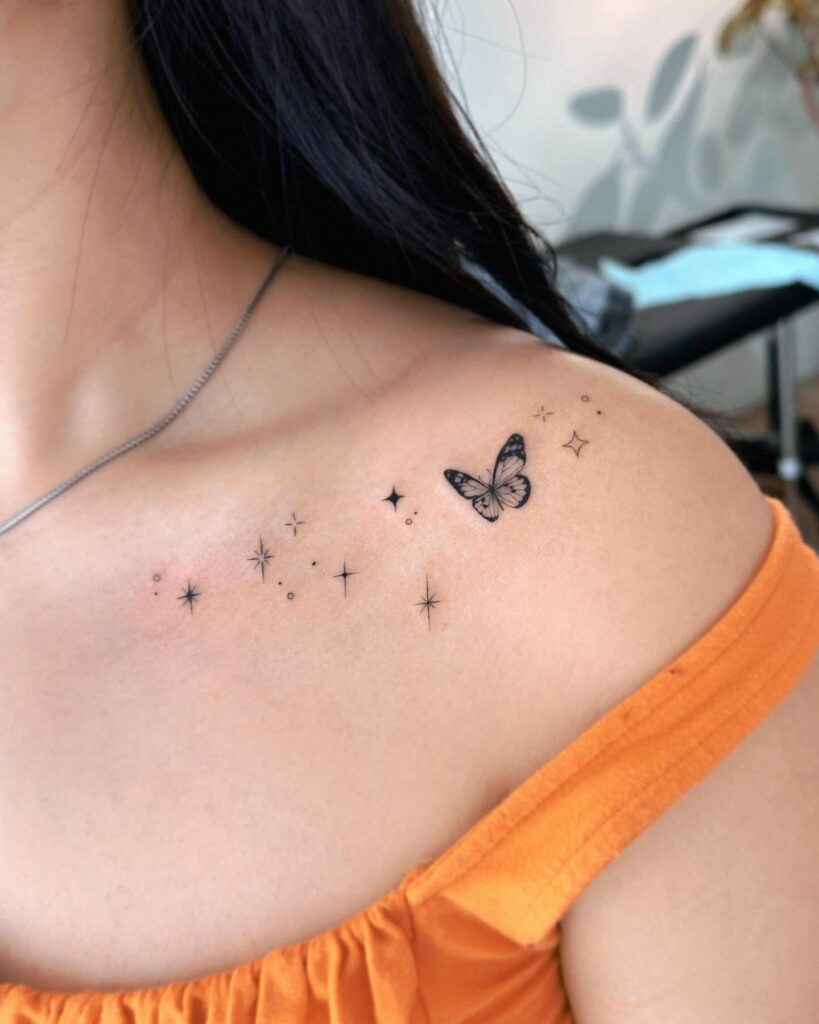
Visual Geometry and Artistry: Resting directly over the breastbone, the sternum has virtually zero subcutaneous fat layer. Needle vibrations resonate directly through the ribcage and thoracic cavity, which can feel mentally claustrophobic. The skin is delicate, taut, and sensitive to needle friction.
Meaning, Placement Nuance, and Longevity: Clients frequently describe the sensation as a hot iron vibrating against the center of the chest. Steady, controlled rhythmic breathing through the nose helps calm the sympathetic nervous system during intense linework passes.
3. The Full Length Spine
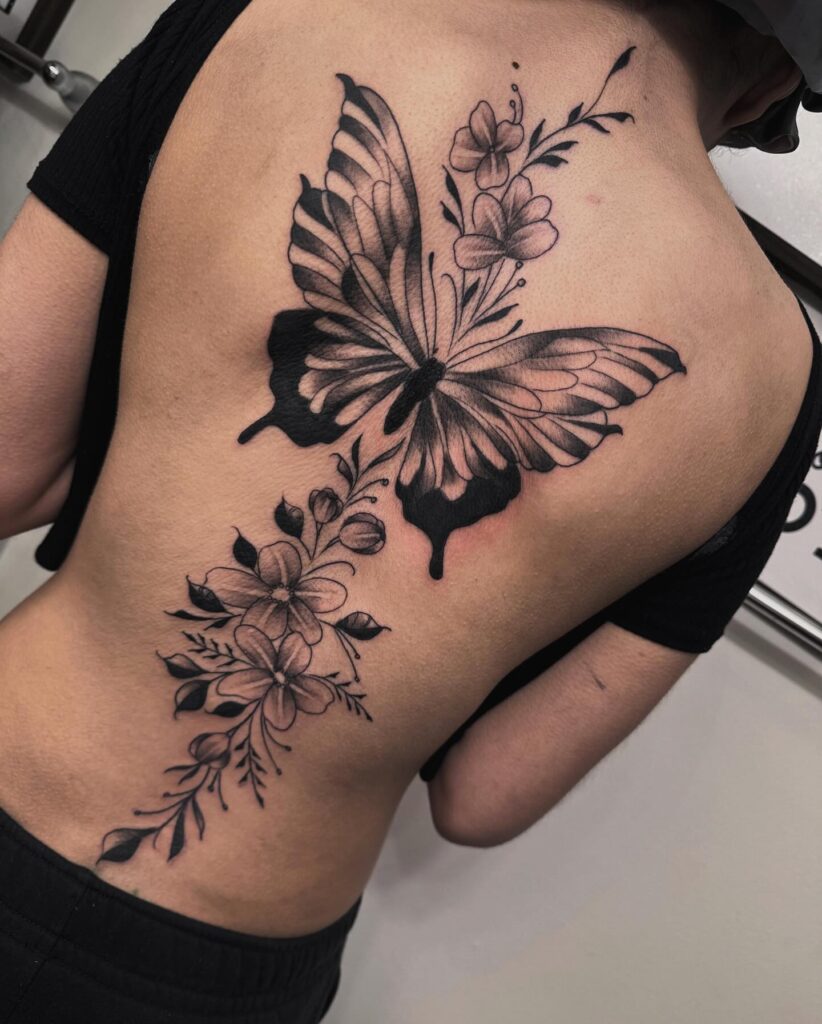
Visual Geometry and Artistry: The spinal column protects the central nervous system, meaning sensory signals from the vertebrae travel straight to the brain with zero latency. As the needle tracks over each bony spinal process, the mechanical buzzing vibrates the entire skeletal framework.
Meaning, Placement Nuance, and Longevity: Sensation ranges from deep aches to sharp electric twinges that radiate into surrounding muscles. Choosing minimalist fine line motifs over heavy solid black fills significantly reduces time in the chair and preserves client stamina.
4. The Armpit and Axillary Hollow
Visual Geometry and Artistry: The axillary region is packed with primary lymphatic nodes, major vascular arteries, and the sensitive brachial plexus nerve network. The skin is exceptionally thin, soft, and constantly moist, making it one of the most tender regions on the body.
Meaning, Placement Nuance, and Longevity: Pain here is acute, burning, and difficult to ignore, often triggering involuntary ticklish muscle twitches. Most experienced collectors agree that the armpit and immediate surrounding hollow represent the ultimate test of tattoo endurance.
5. Top of the Foot and Extensor Tendons
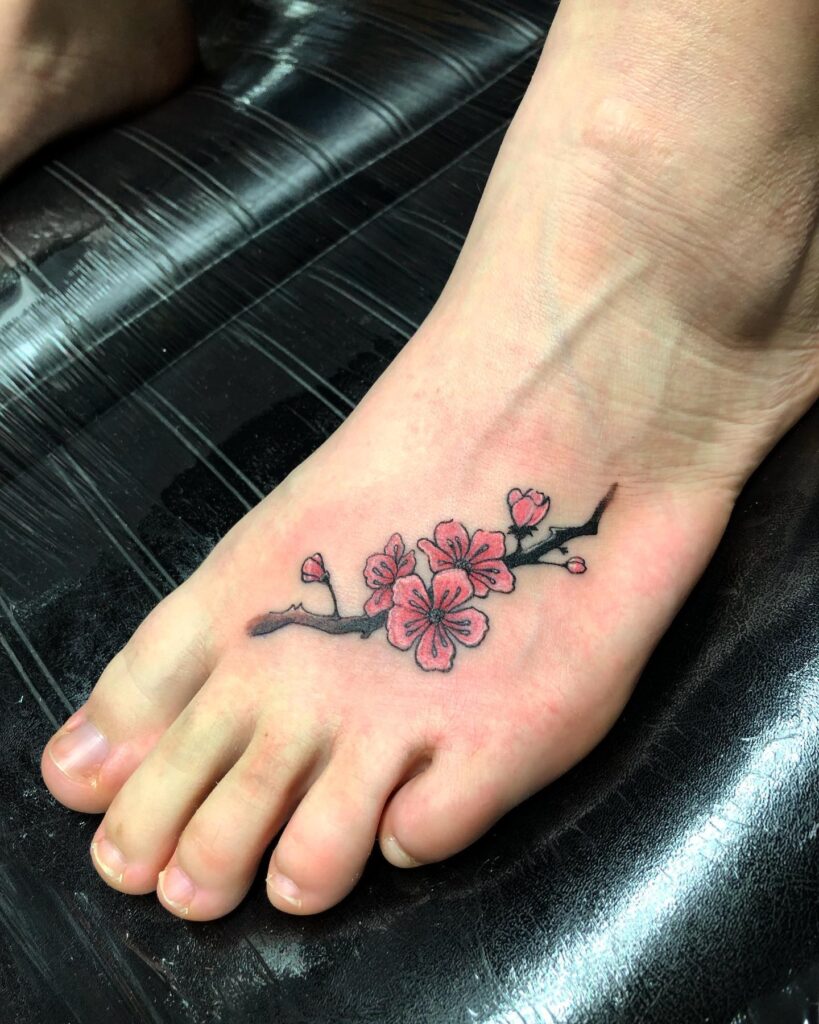
Visual Geometry and Artistry: The dorsal surface of the foot has virtually zero muscle padding, with dozens of delicate extensor tendons and nerves resting directly beneath paper thin skin. When the needle works over the protruding foot bones, needle feedback is sharp and unfiltered.
Meaning, Placement Nuance, and Longevity: Clients describe foot tattoos as sharp, intense pinpricks that trigger involuntary foot jerking reflexes. Keeping your foot firmly relaxed on the armrest requires conscious mental grounding and regular short breaks.
6. Fingers and Dorsal Hand
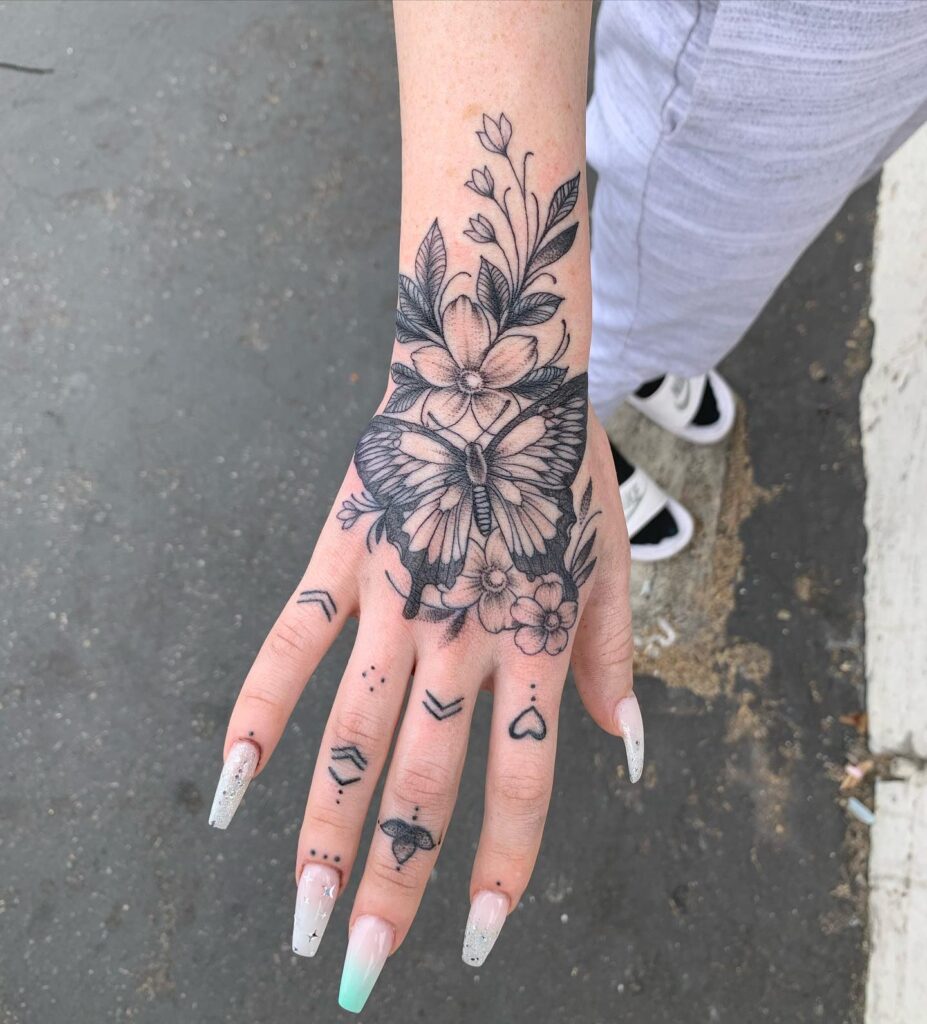
Visual Geometry and Artistry: Hands are primary tactile exploratory organs, densely wired with millions of sensory nerve endings per square millimeter. The skin over the phalanges is paper thin and tightly bound to underlying joint capsules and ligaments.
Meaning, Placement Nuance, and Longevity: Pain is sharp and biting, especially as the needle approaches the fingernail cuticles or side knuckles. Hand sessions require supreme stillness to prevent the machine from shifting off line across uneven knuckle terrain.
7. Front Shin Bone
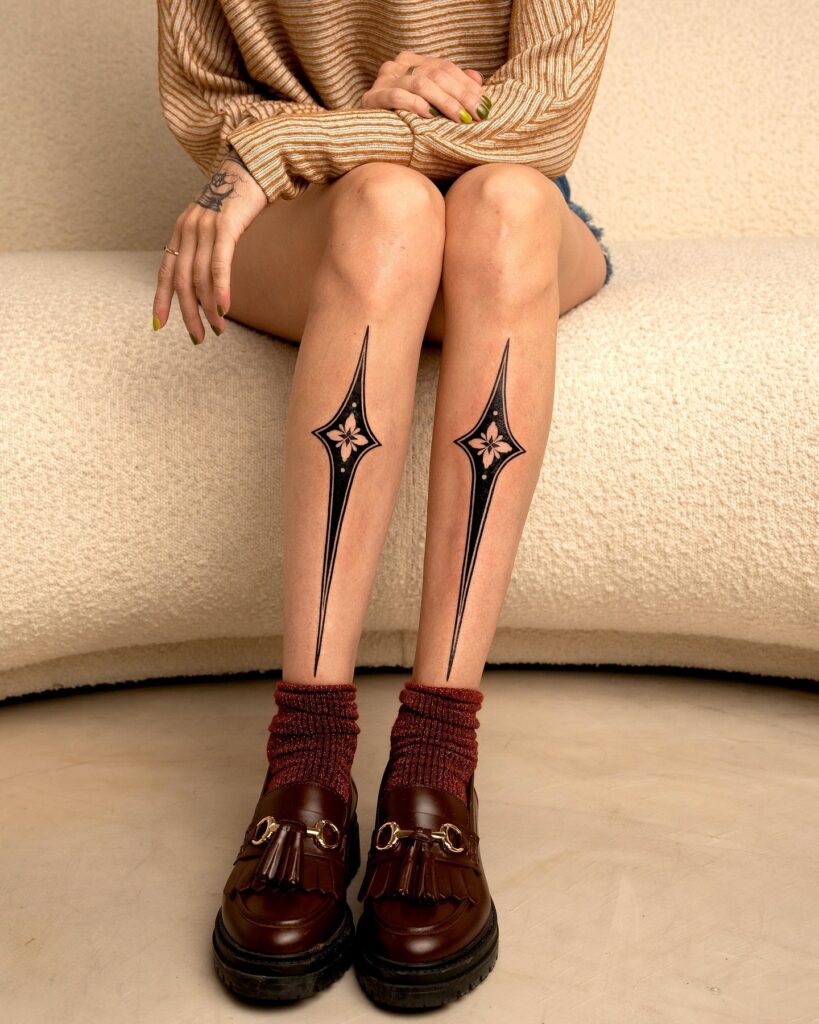
Visual Geometry and Artistry: The anterior crest of the tibia bone sits directly beneath superficial dermis with no muscle buffer. The periosteum vibrates intensely as needle groupings lay down line work.
Meaning, Placement Nuance, and Longevity: Clients feel deep acoustic reverberations down the length of the lower leg. Focusing on steady exhale breathing helps manage the intense bony vibration.
8. Ankle Malleolus Bone
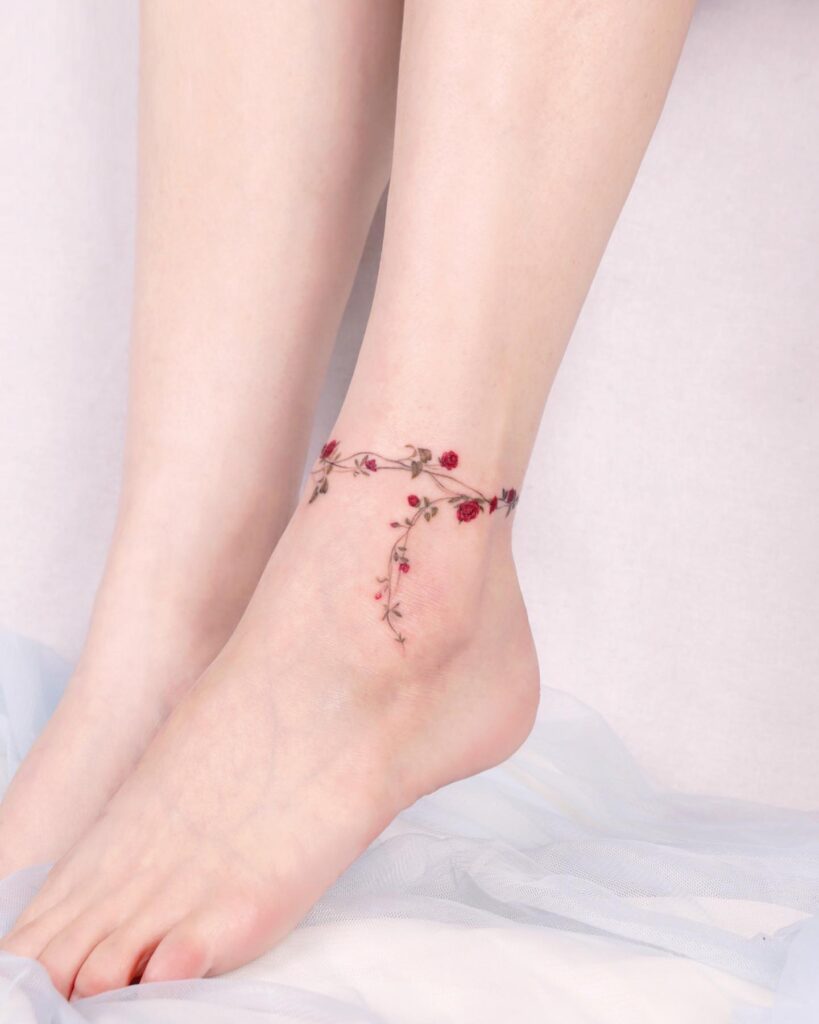
Visual Geometry and Artistry: The protruding lateral and medial ankle bones lack adipose tissue, leaving nerve endings exposed to intense mechanical needle impact. The tight skin stretches easily under needle tension.
Meaning, Placement Nuance, and Longevity: The sensation alternates between dull bone aches and stinging surface irritation. Elevating the leg during the first twenty four hours helps reduce normal fluid accumulation.
9. Nape of the Neck
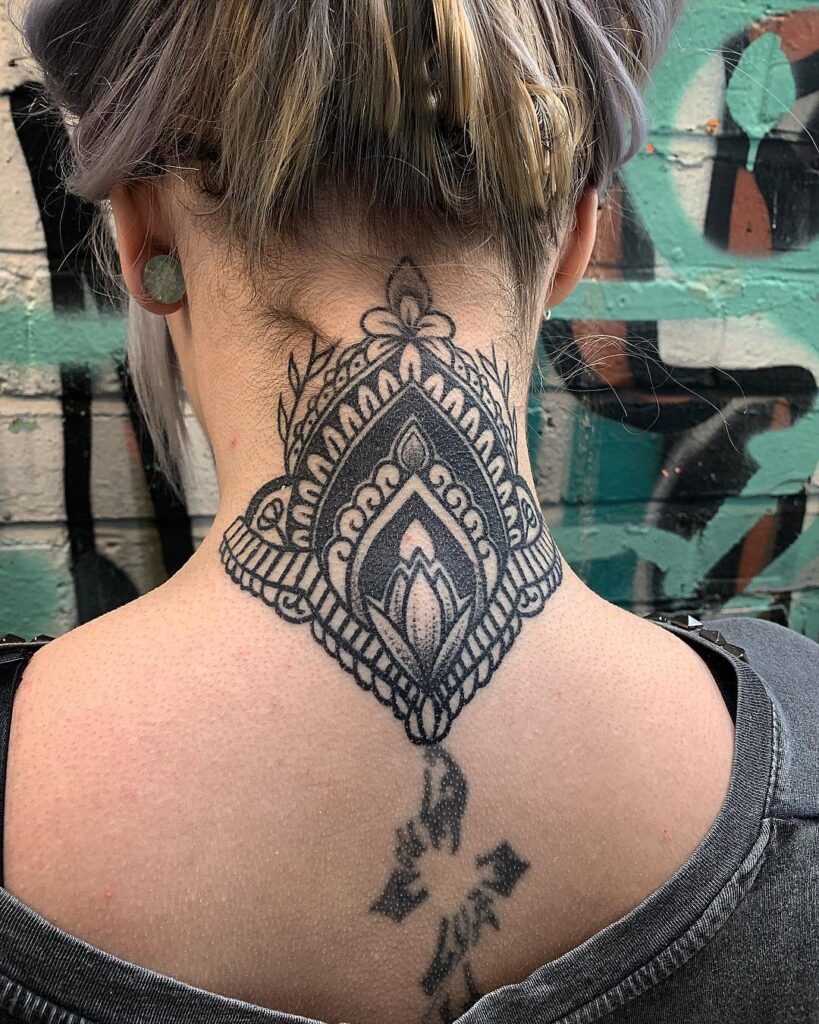
Visual Geometry and Artistry: The cervical spine contains thick connective tissue and hair follicles, dampening direct bone vibration compared to the mid spine. Discomfort is noticeable but manageable for smaller pieces.
Meaning, Placement Nuance, and Longevity: Clients experience a persistent dull ache and heavy machine vibration through the base of the skull. Because sessions are usually brief for nape tattoos, most people manage comfortably without breaks.
10. Mastoid Bone Behind the Ear
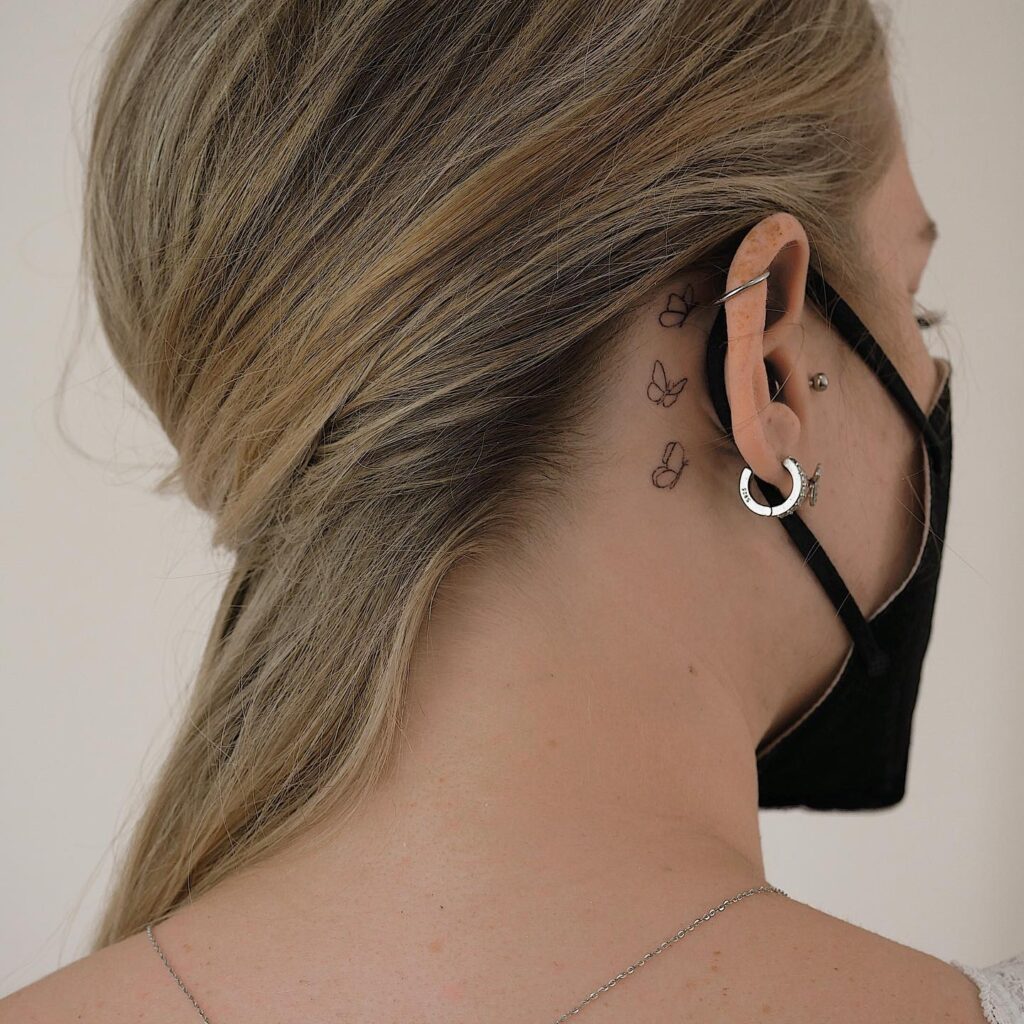
Visual Geometry and Artistry: Thin mastoid skin sits directly against the skull bone, transmitting acoustic machine buzzing straight into the inner ear auditory canal.
Meaning, Placement Nuance, and Longevity: While needle pain is moderate, the acoustic volume and intense skull vibration can feel overwhelming. Micro designs here take only ten to fifteen minutes, keeping discomfort brief.
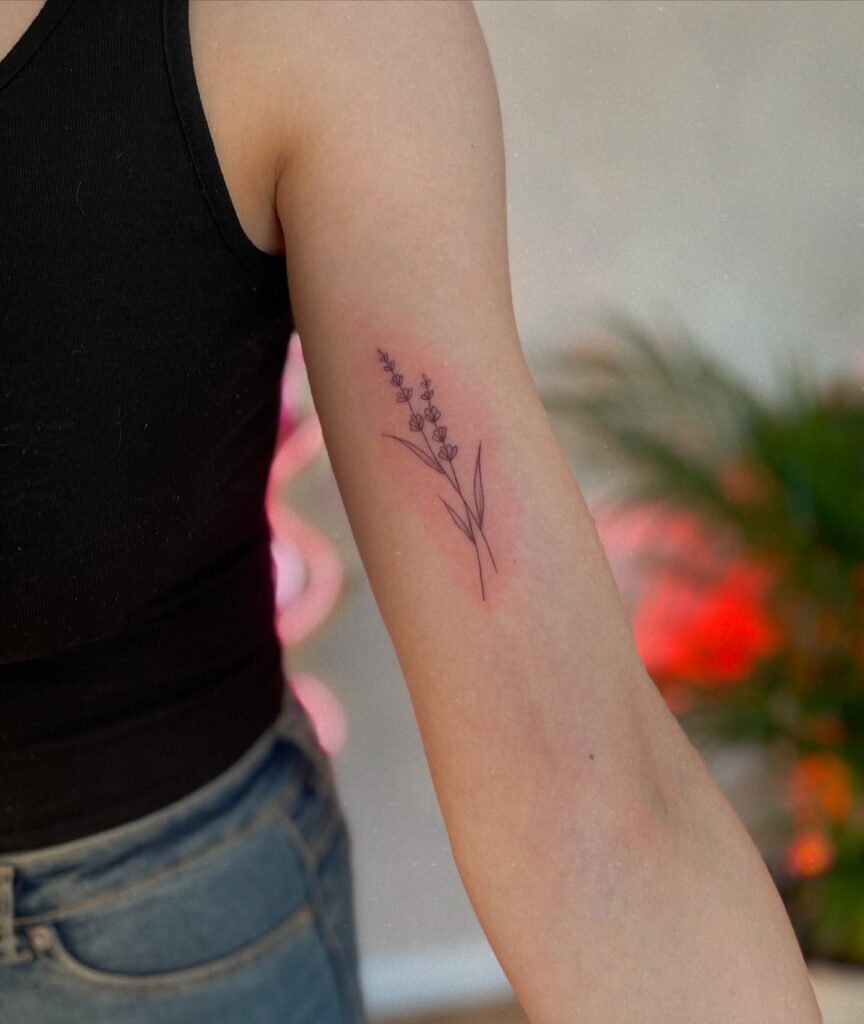
11. Inner Bicep Near the Axilla
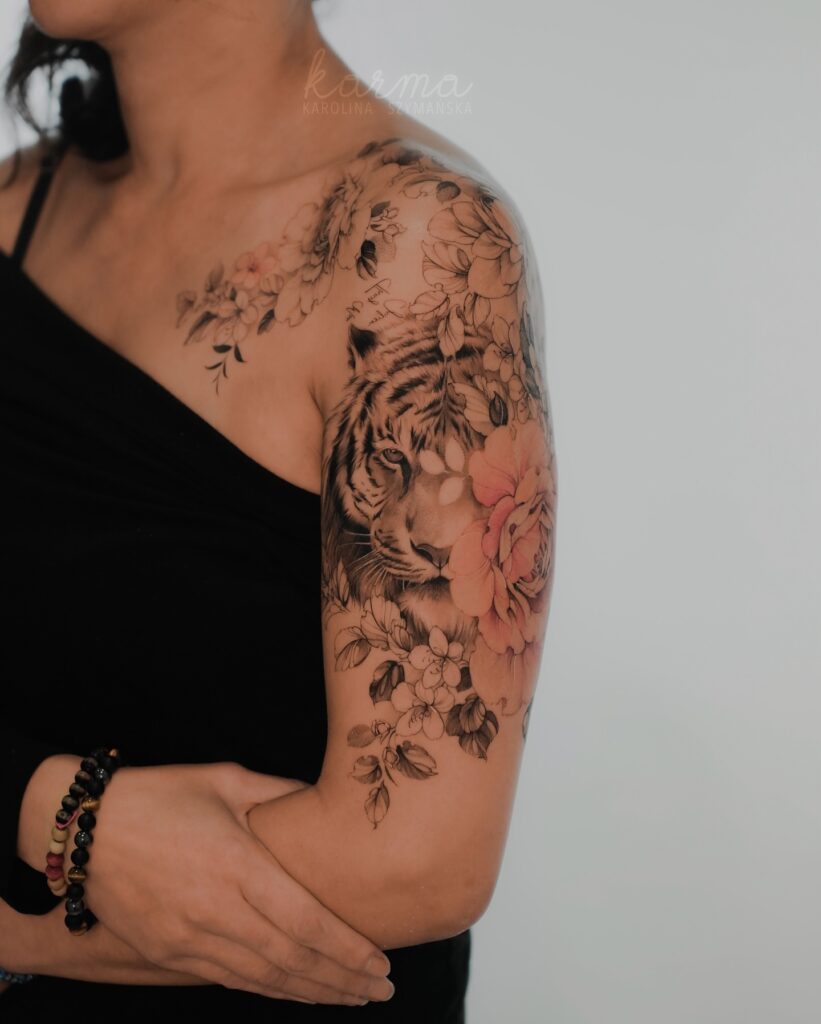
Visual Geometry and Artistry: The skin along the upper inner arm is delicate, pale, and shielded from environmental friction, leaving sensory nerve endings heightened and reactive.
Meaning, Placement Nuance, and Longevity: Pain feels like a hot stinging pinch that radiates into the armpit crease. Keeping the arm extended comfortably on an armrest prevents muscle fatigue during the appointment.
12. Collarbone Clavicle Ridge
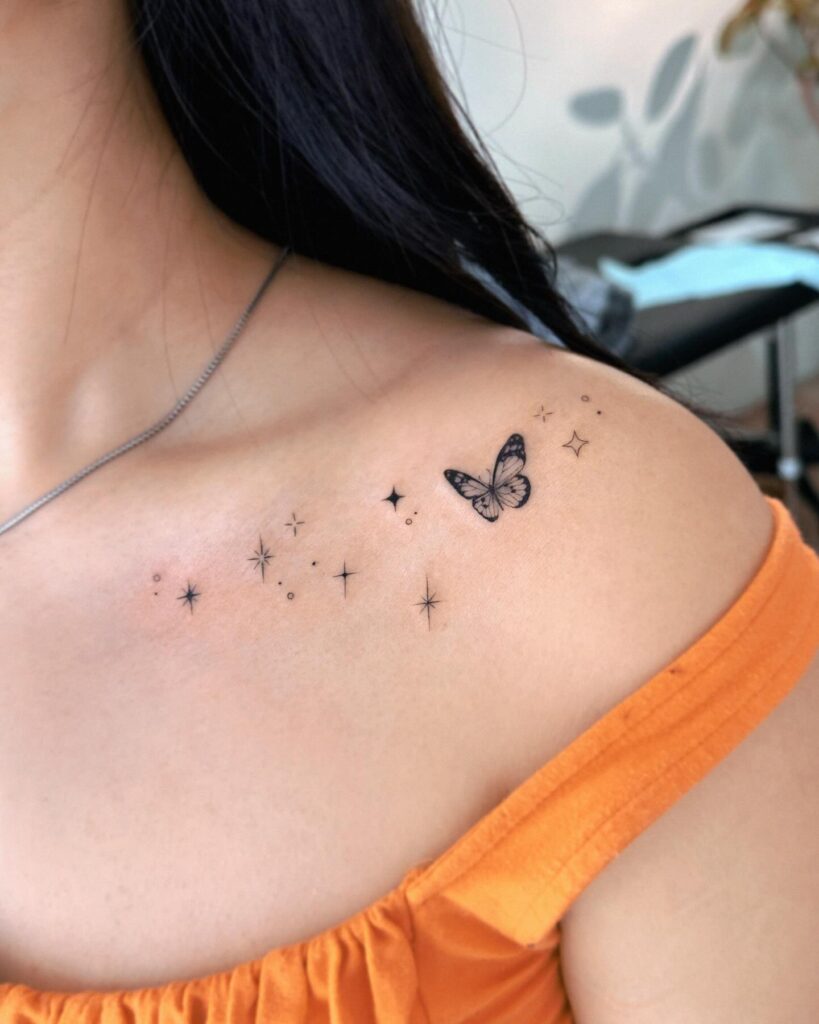
Visual Geometry and Artistry: The clavicle bone projects prominently beneath paper thin chest skin. Mechanical vibration rattles the throat and upper chest with every needle pass.
Meaning, Placement Nuance, and Longevity: Clients feel a distinct buzzing sensation that can cause involuntary coughing or swallowing reflexes. Single needle designs minimize chair time and skin trauma.
13. Knuckles and Side Fingers
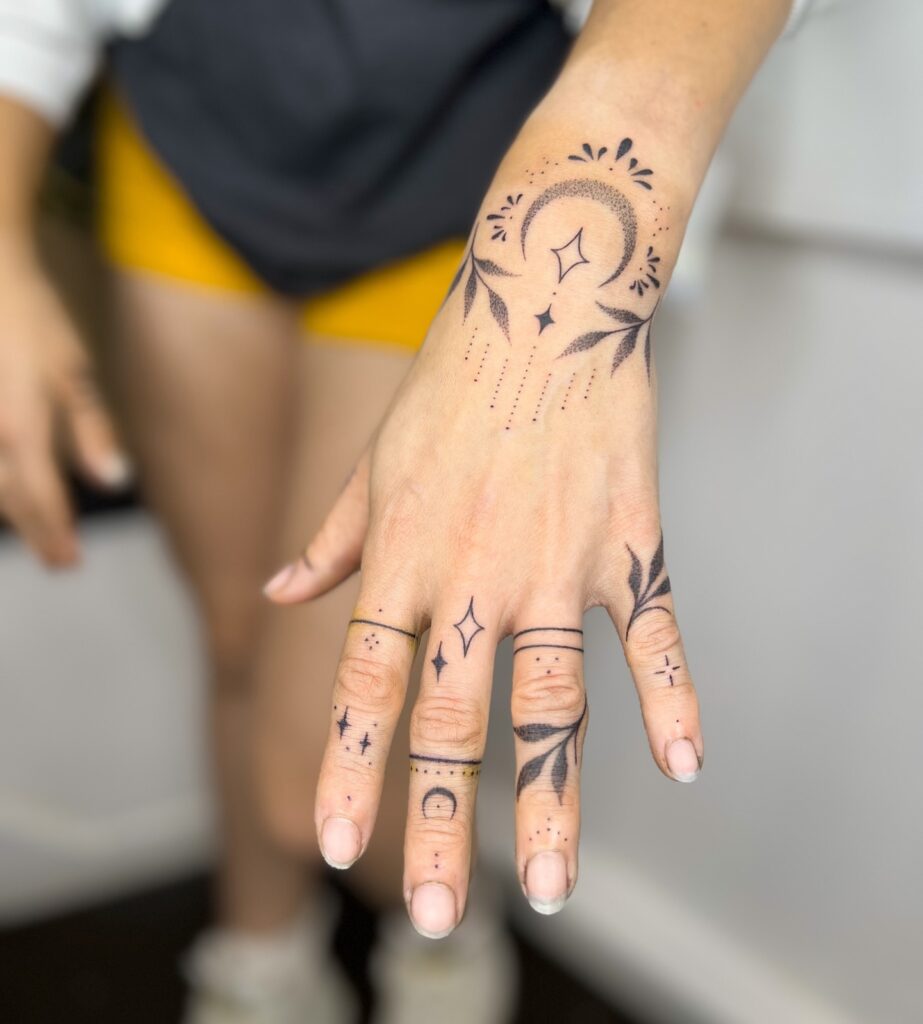
Visual Geometry and Artistry: Digital nerves wrap tightly around knuckle joints, where skin is in continuous motion from hand movement. Thin tissue heals under constant flexion strain.
Meaning, Placement Nuance, and Longevity: Pain is acute and sharp, feeling like deep bee stings across joint ridges. Keep fingers clean and avoid harsh chemical cleaners during the healing window.
14. Inner Wrist Flexion Tendons
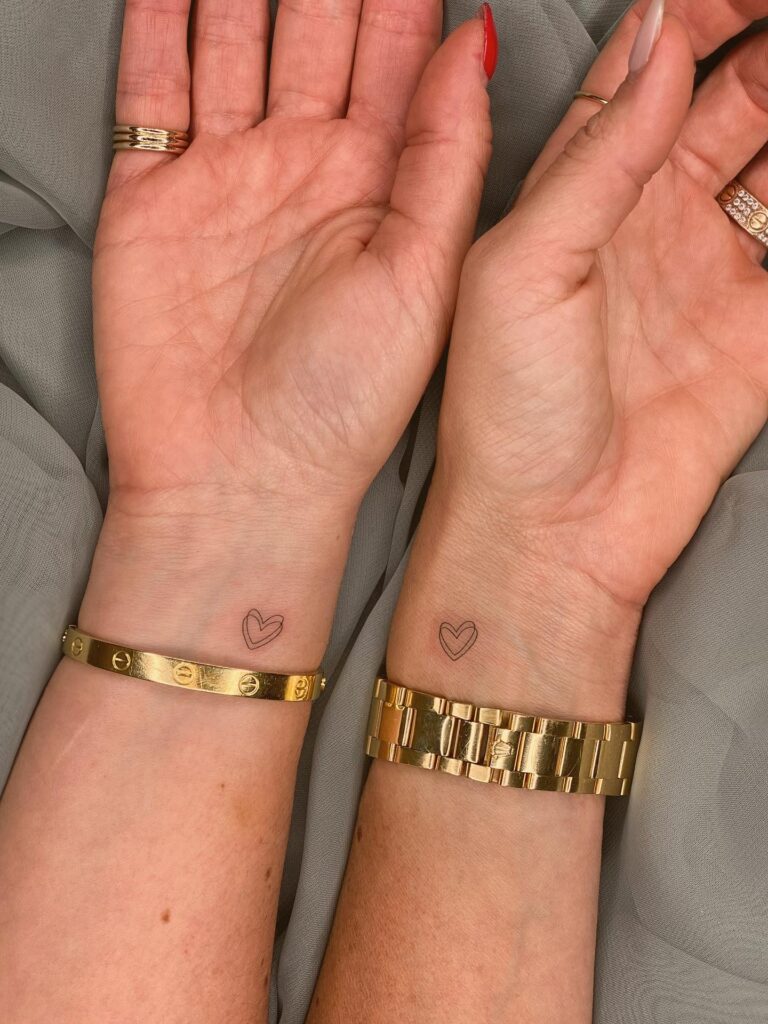
Visual Geometry and Artistry: Median and radial nerve branches travel through the carpel tunnel right beneath inner wrist skin. Tendons shift subtly as fingers twitch.
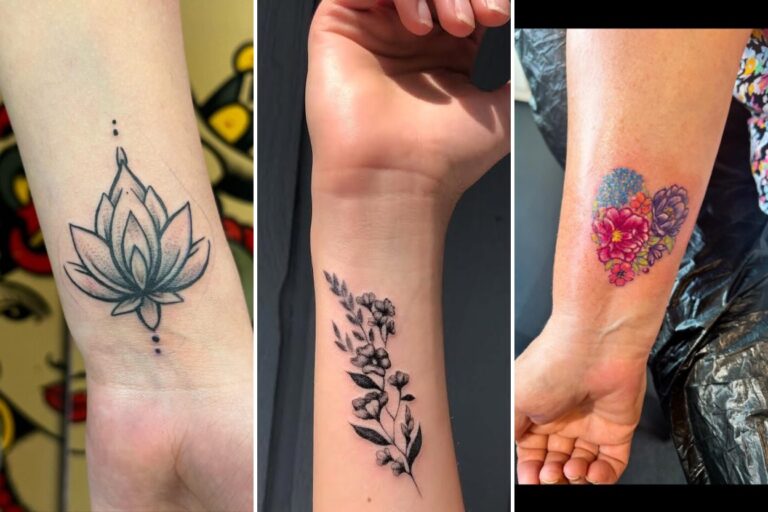
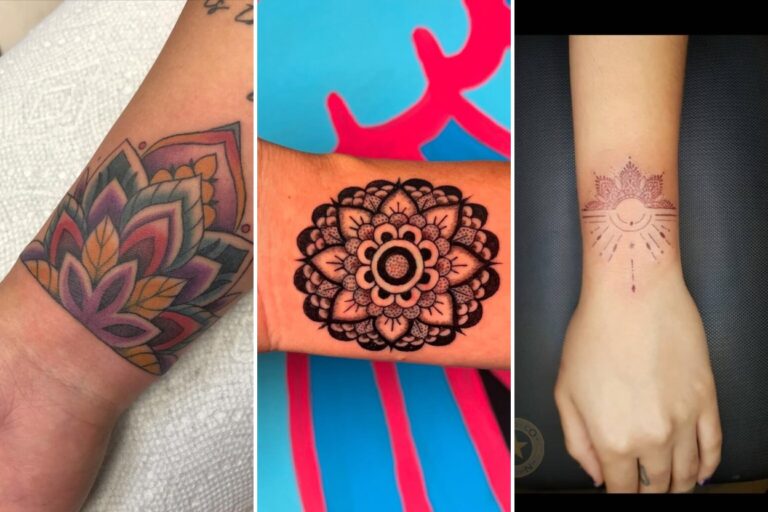
Meaning, Placement Nuance, and Longevity: The sensation is a sharp scratching ache that feels intense near wrist creases. Placing artwork slightly above the primary flexion fold improves comfort and longevity.
15. Between the Shoulder Blades
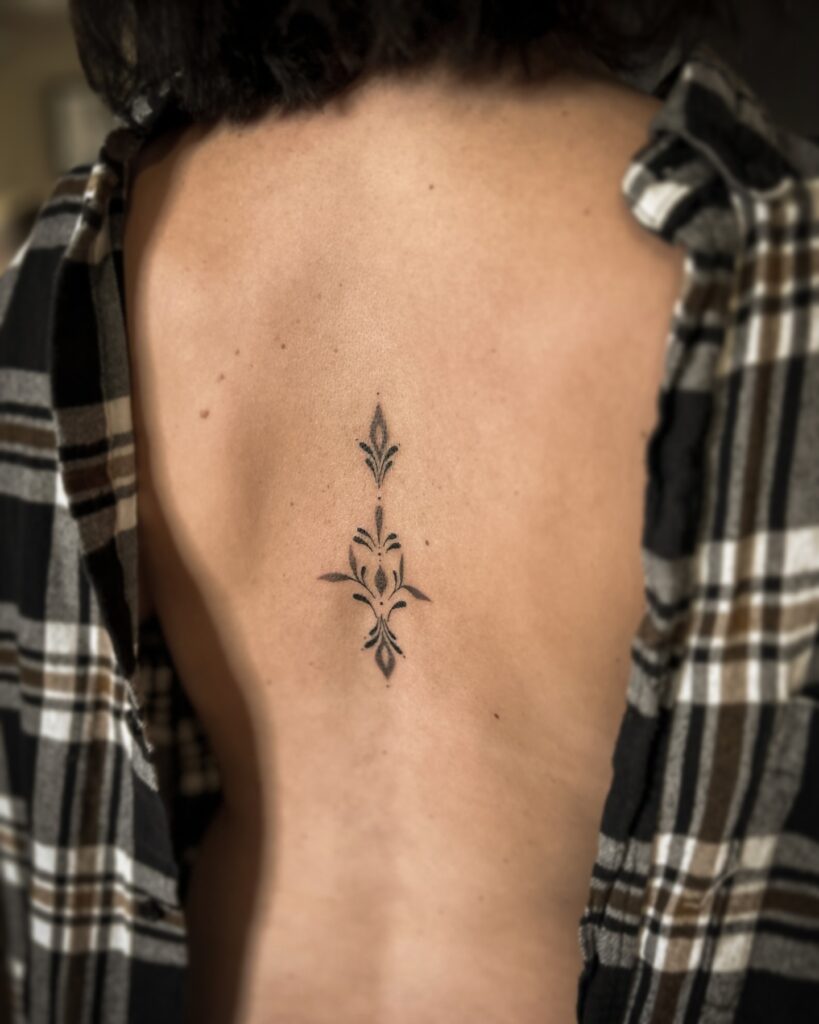
Visual Geometry and Artistry: The thoracic spine and rhomboid muscles cross beneath mid back skin. Skin tension shifts whenever the client adjusts sitting posture.
Meaning, Placement Nuance, and Longevity: A moderate burning sensation that feels warm and rhythmic. Sitting forward over an ergonomic massage chair provides great physical support.
16. Upper Back and Scapula Ridge
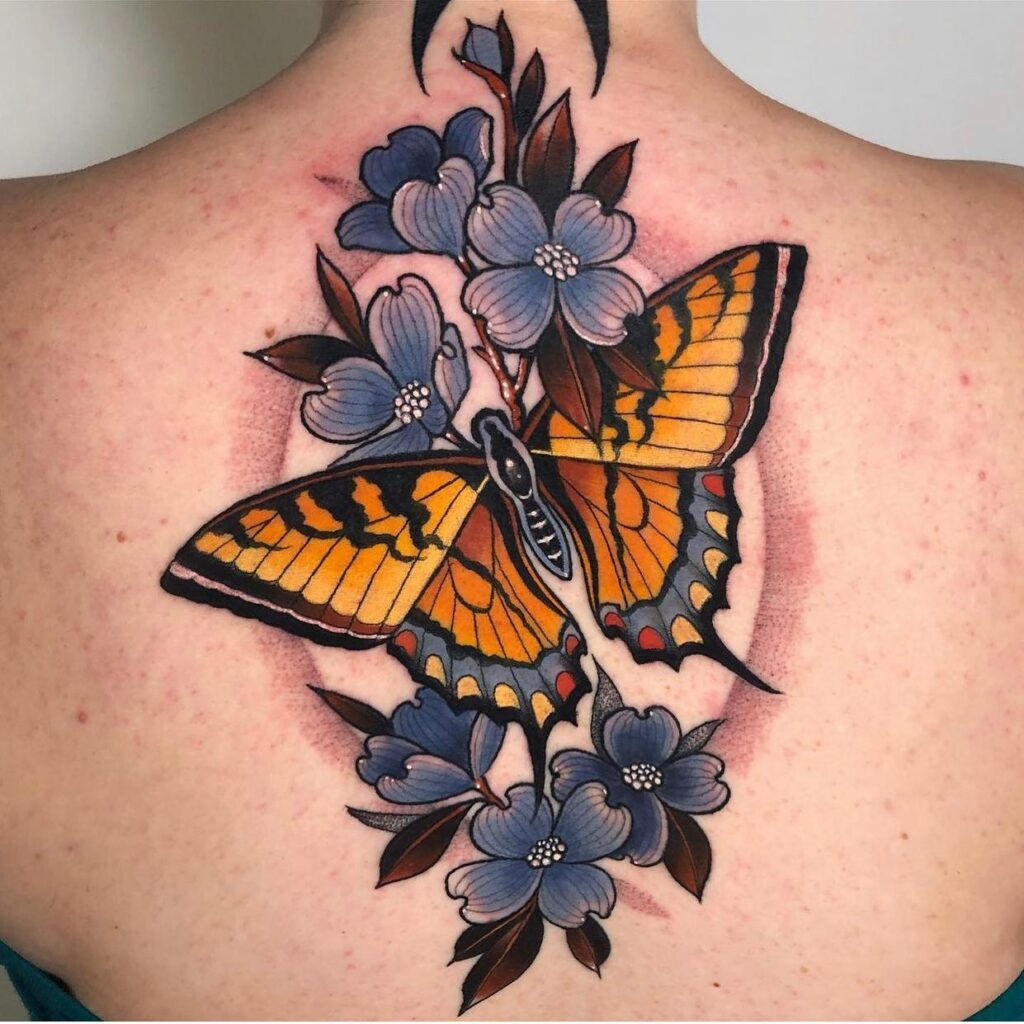
Visual Geometry and Artistry: Thick muscle tissue covers the upper back, though pain sharpens whenever the needle passes directly over the shoulder blade bone ridge.
Meaning, Placement Nuance, and Longevity: A very manageable zone for large scale back pieces, allowing long sessions without nervous exhaustion. Wear loose button up shirts during aftercare.
17. Outer Forearm (Mild Discomfort: 2 out of 10)
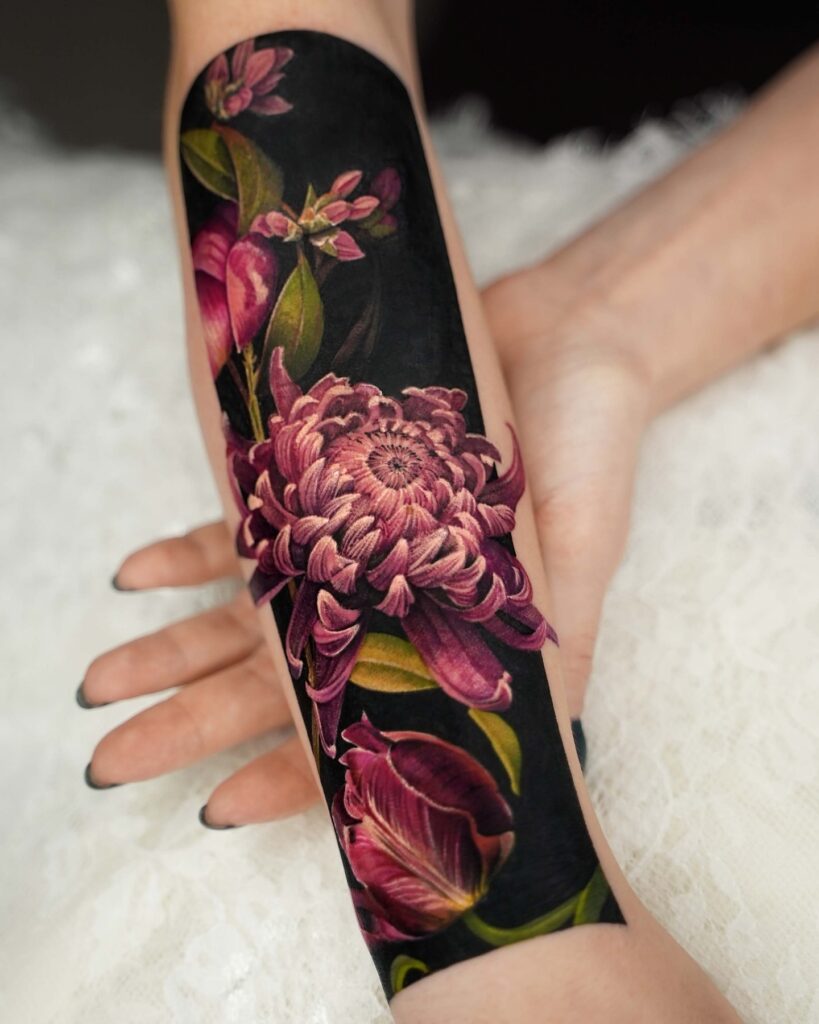
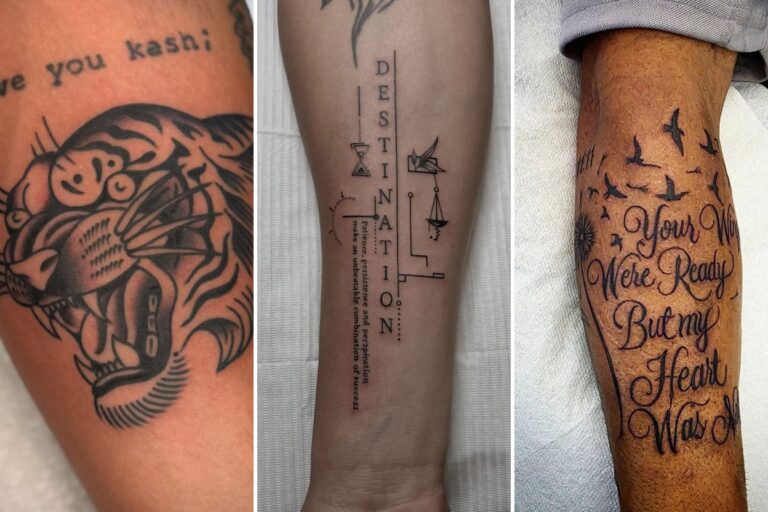
Visual Geometry and Artistry: Thick muscle padding over the radius and ulna bones buffers needle vibrations comfortably. Nerve density is low, making it one of the gentlest anatomical zones on the human body.
Meaning, Placement Nuance, and Longevity: Most clients compare the sensation to a mild scratching or light sunburn. It is the premier placement for beginners, allowing long three to four hour sessions with minimal physical fatigue.
18. Outer Deltoid Shoulder Cap (Mild Discomfort: 3 out of 10)
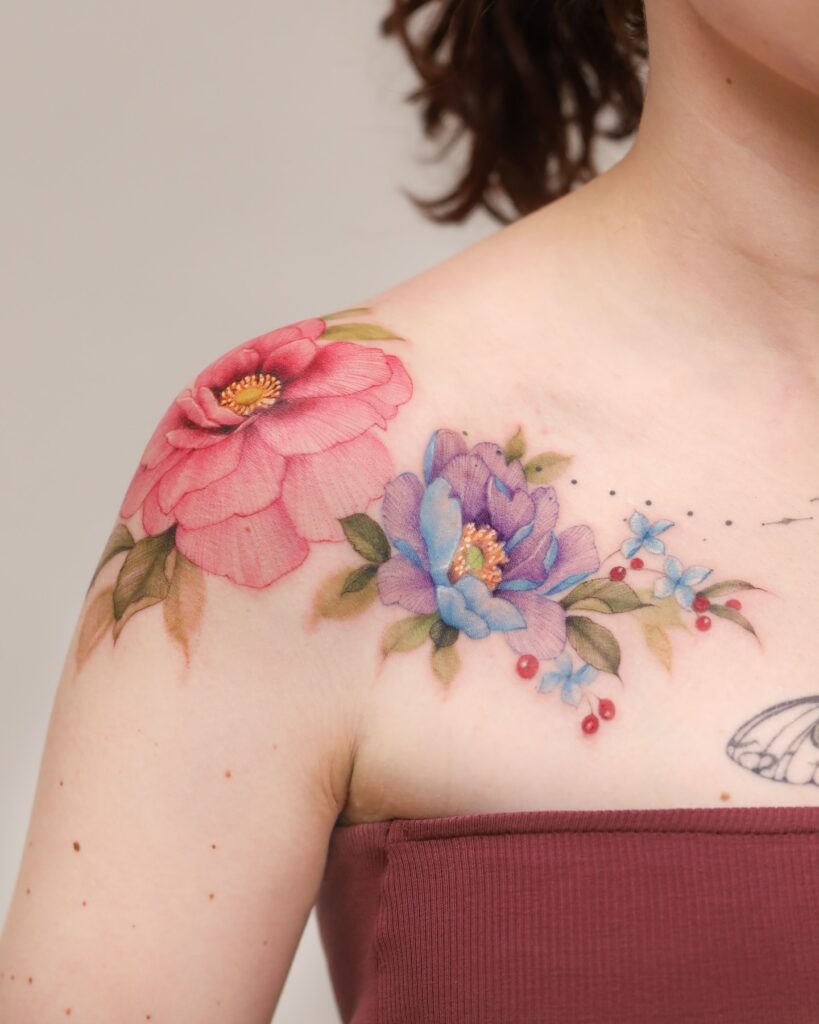
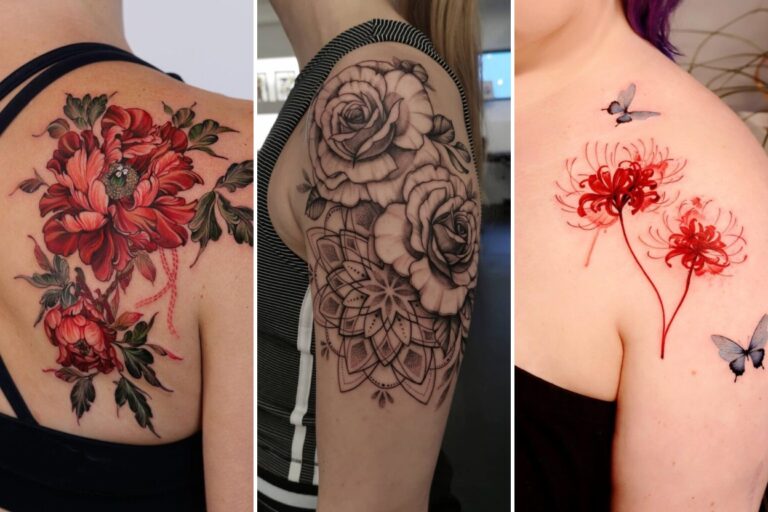
Visual Geometry and Artistry: The fleshy curve of the deltoid muscle provides substantial cushioning. As long as the needle stays off the very peak of the acromion bone, discomfort remains low and consistent.
Meaning, Placement Nuance, and Longevity: A very relaxing spot to sit for, permitting easy conversation or reading throughout the appointment. The tissue heals quickly with minimal swelling.
19. Outer Lower Forearm (Mild Discomfort: 3 out of 10)
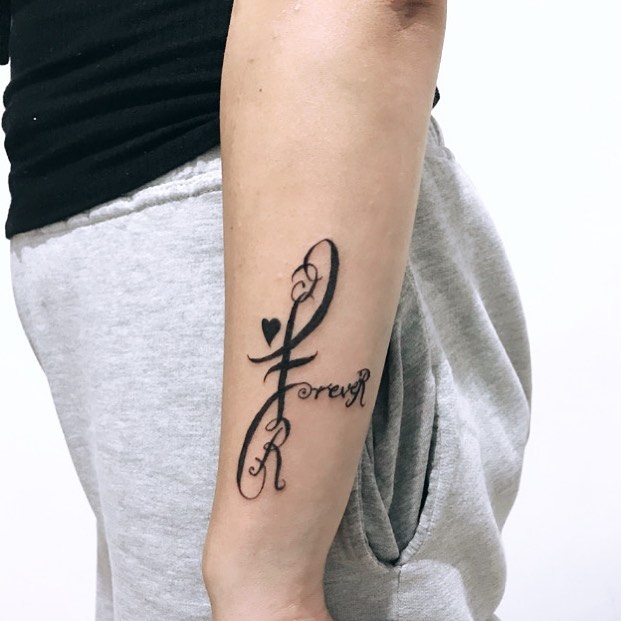
Visual Geometry and Artistry: Muscular arm extensor bellies absorb needle momentum smoothly without transmitting shock into underlying bones. Skin is firm and stable.
Meaning, Placement Nuance, and Longevity: Comfortable and predictable, clients can easily relax without tense guarding reflexes. Wash twice daily with mild soap and pat dry with clean paper towels.
20. Outer Calf (Mild Discomfort: 3 out of 10)
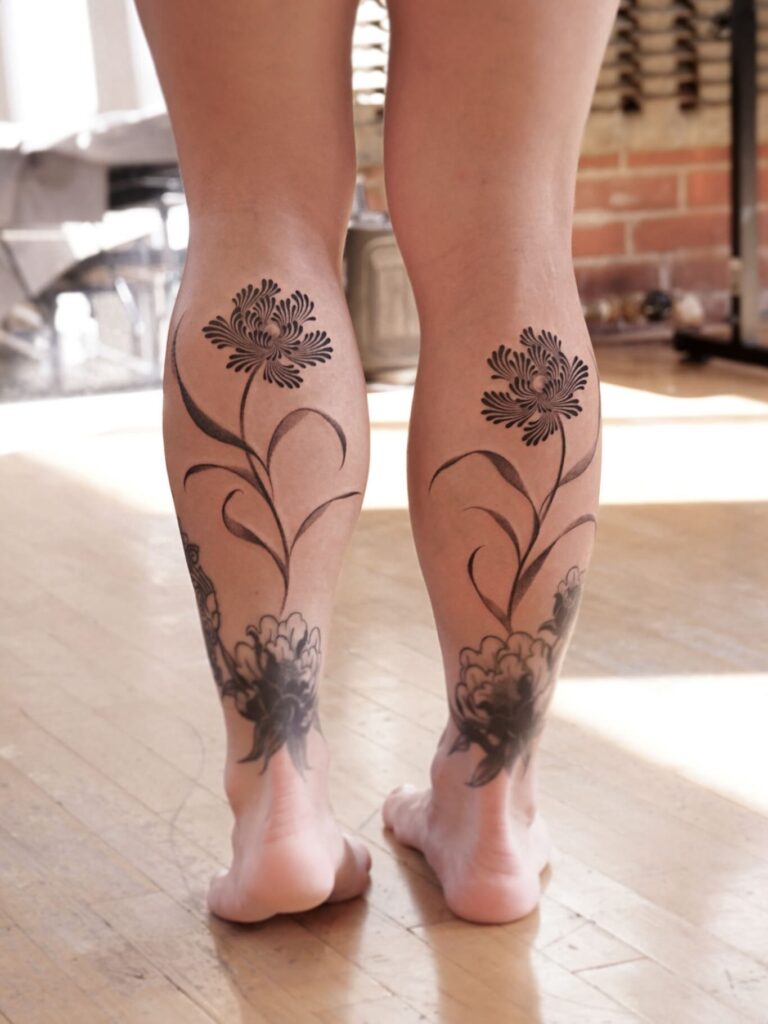
Visual Geometry and Artistry: The large gastrocnemius muscle provides dense, resilient tissue that absorbs needle passes easily. Away from the shin bone and Achilles tendon, sensitivity is very moderate.
Meaning, Placement Nuance, and Longevity: Highly tolerable for multi hour sessions. The flat muscular plane allows artists to work quickly and smoothly, minimizing cumulative skin inflammation.
What Causes Tattoo Pain: Biological Drivers
- Tattoo needles penetrate the epidermis to deposit ink into the upper dermis, moving between fifty and one hundred times per second. How your body interprets this mechanical sensation depends on four primary anatomical factors:
- Nerve Density: Specialized pain receptors known as nociceptors are distributed unevenly across human skin. High sensory zones like the hands, throat, and groin transmit immediate, acute pain signals to the brain.
- Subcutaneous Fat Layer: Subcutaneous adipose fat acts as a natural shock absorber. Regions with thick fat cushions, like the outer thighs or upper arms, insulate underlying tissue from needle vibration.
- Proximity to Bone and Periosteum: The periosteum is the dense, highly innervated membrane covering your bones. When needles pass over the sternum, spine, or ribs, vibrations resonate directly through the periosteum, creating intense bone rattling sensations.
- Skin Thinness and Movement: Areas that stretch, fold, or experience constant moisture, such as the armpit hollow or inner elbows, have delicate skin that tears and inflames more readily under repeated needle passes.
The Anatomical Tattoo Pain Chart
- To help visualize where placements fall on the physical sensitivity spectrum, consider this straightforward four tier breakdown:
- Tier 1: Mild Discomfort (Rating: 1 to 3 out of 10): Outer forearm, upper outer bicep, outer shoulder cap, and outer calf.
- Tier 2: Moderate Sensation (Rating: 4 to 6 out of 10): Upper back, lower back, inner forearm, collarbone, and outer ankle.
- Tier 3: Intense Pain (Rating: 7 to 8 out of 10): Front shin bone, inner bicep, back of the knee, neck, and dorsal hand.
- Tier 4: Severe Discomfort (Rating: 9 to 10 out of 10): Rib cage, sternum, spine, armpit, groin, and top of the foot.
Frequently Asked Questions
What is universally considered the most painful tattoo spot?
The armpit, rib cage, sternum, and groin are universally cited as the most agonizing placements due to ultra thin skin, lack of muscle padding, and dense concentrations of major nerve branches.
Can I use numbing cream for painful tattoo spots?
Always consult your tattoo artist before applying any topical numbing cream. Some formulas alter skin texture, making it rubbery and difficult to saturate, while others can cause rapid rebound pain once the anesthetic wears off mid session.
Does getting a tattoo on bone really hurt worse than muscle?
Yes. The periosteum covering your bones is packed with sensitive pain fibers. Without a thick layer of fat or muscle to absorb needle momentum, vibrations resonate directly into the skeletal frame.
What is the least painful spot for a first tattoo?
The outer forearm, outer shoulder, and outer calf are the gold standard placements for first time collectors. These zones offer thick muscle padding, minimal bone contact, and low nerve sensitivity.
For verified clinical skin care guidelines during tattoo recovery, reference the American Academy of Dermatology tattoo recovery recommendations.